
REQUEST AN ESTIMATE
Tell us about winter access at your home
Share your Oakville address and the driveway, private paths, entrances or steps you want cleared. Include photographs, usual vehicle positions and available snow-storage space.
Residential snow removal
A snow-clearing scope built around your daily access
Residential snow removal starts with the routes you use: leaving the garage, reaching the front door, taking bins outside or using a side entrance. A driveway pass alone may not cover those routes. Identify each area before accepting service so the plan reflects how your household moves through the property.
Possible work includes the driveway, garage apron, front walk, porch steps, private pedestrian paths and secondary entrances. Side access is included only when agreed and accessible. Mark both the clearing areas and the places where snow can be stored; the accepted scope determines what each visit covers.
Driveways, garage doors and parked vehicles
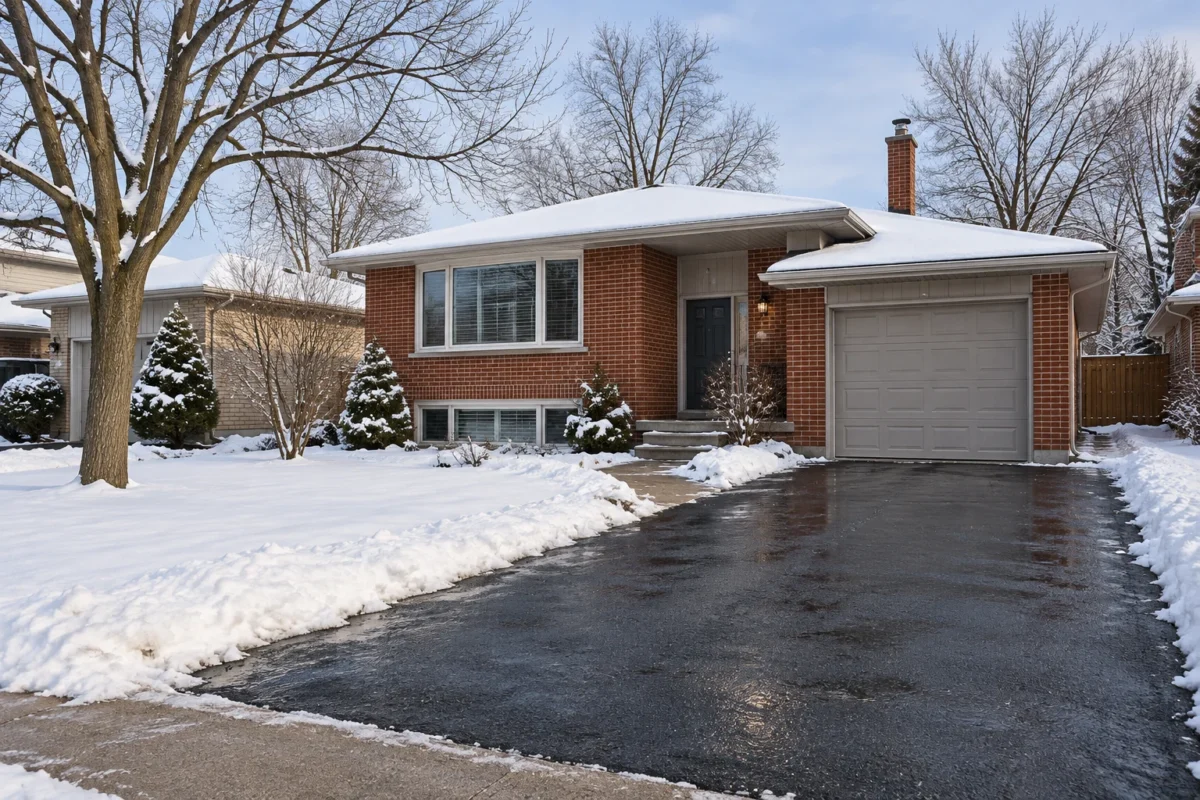
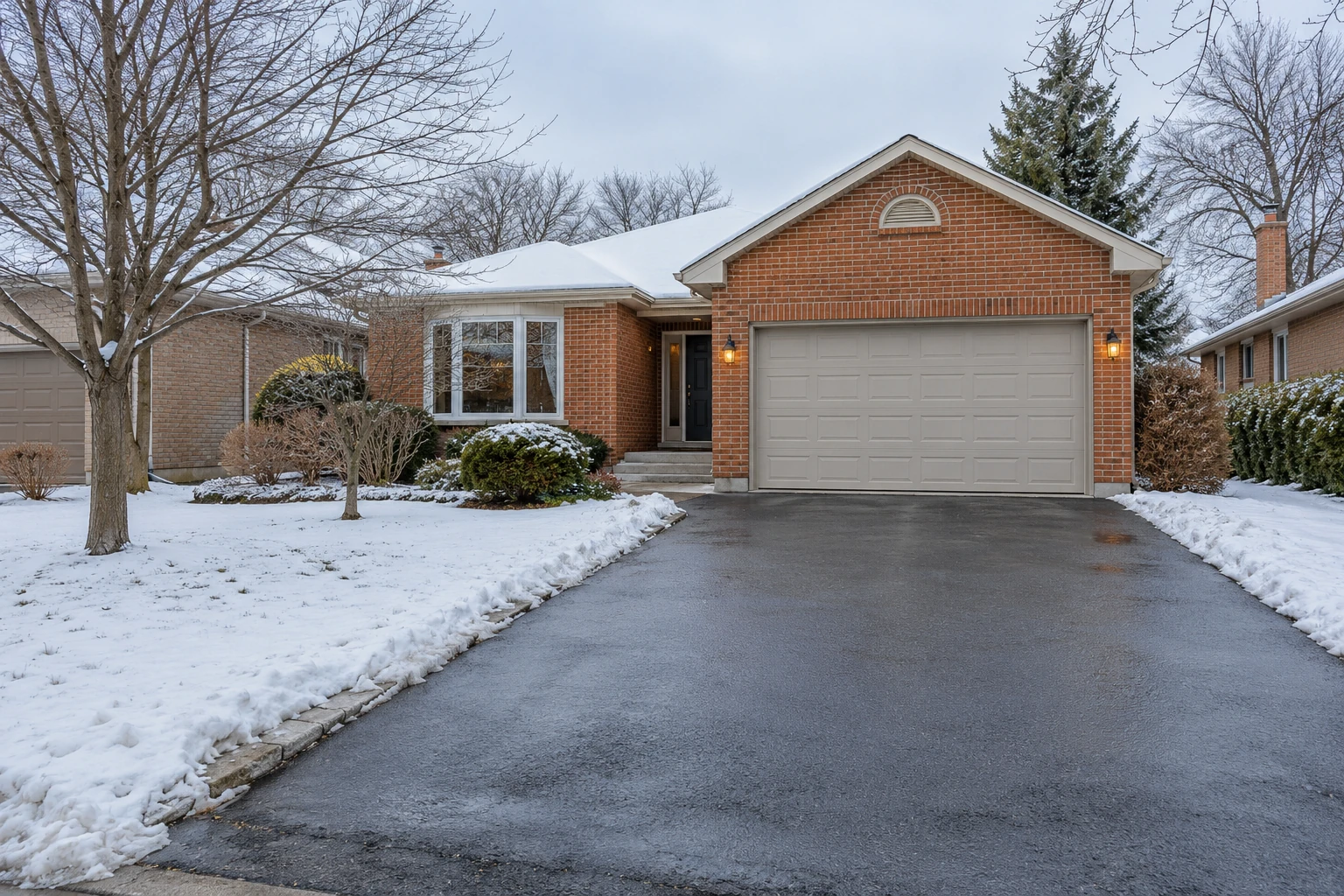
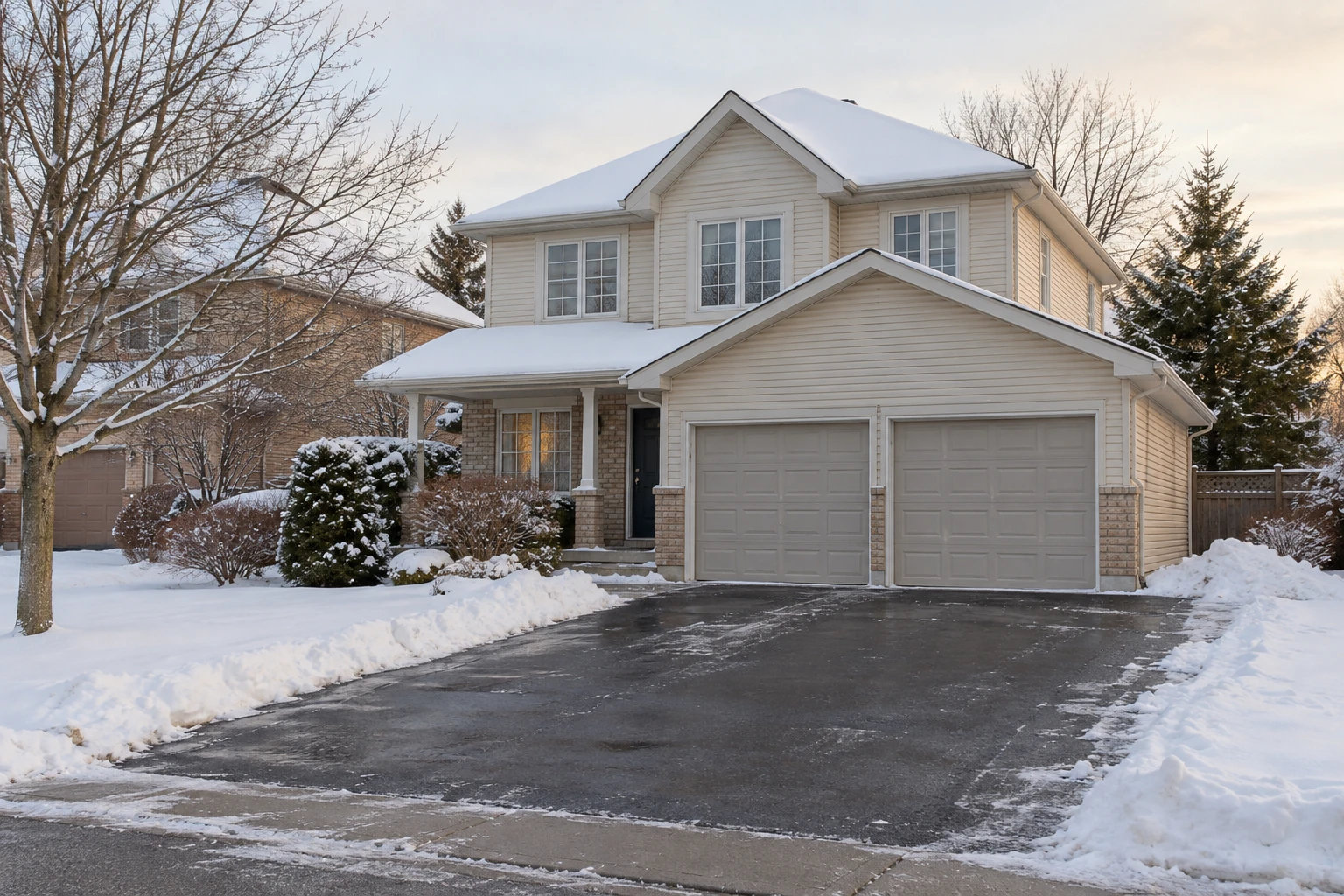
A single driveway may offer little room for snow placement. A double driveway can still be difficult when vehicles occupy part of it. Show where cars normally sit, which garage doors must remain reachable and whether the entrance is shared. Note the driveway slope and the adjoining lawn, garden borders or paths.
Agree how vehicles will be moved and what happens if they remain in the work area. Clearing accessible portions does not automatically include a later return after a car leaves. Confirm any follow-up arrangement, including how to request it. For shared driveways, establish the private work boundary and how snow placement affects both households.
Private walkways, front steps and entrances
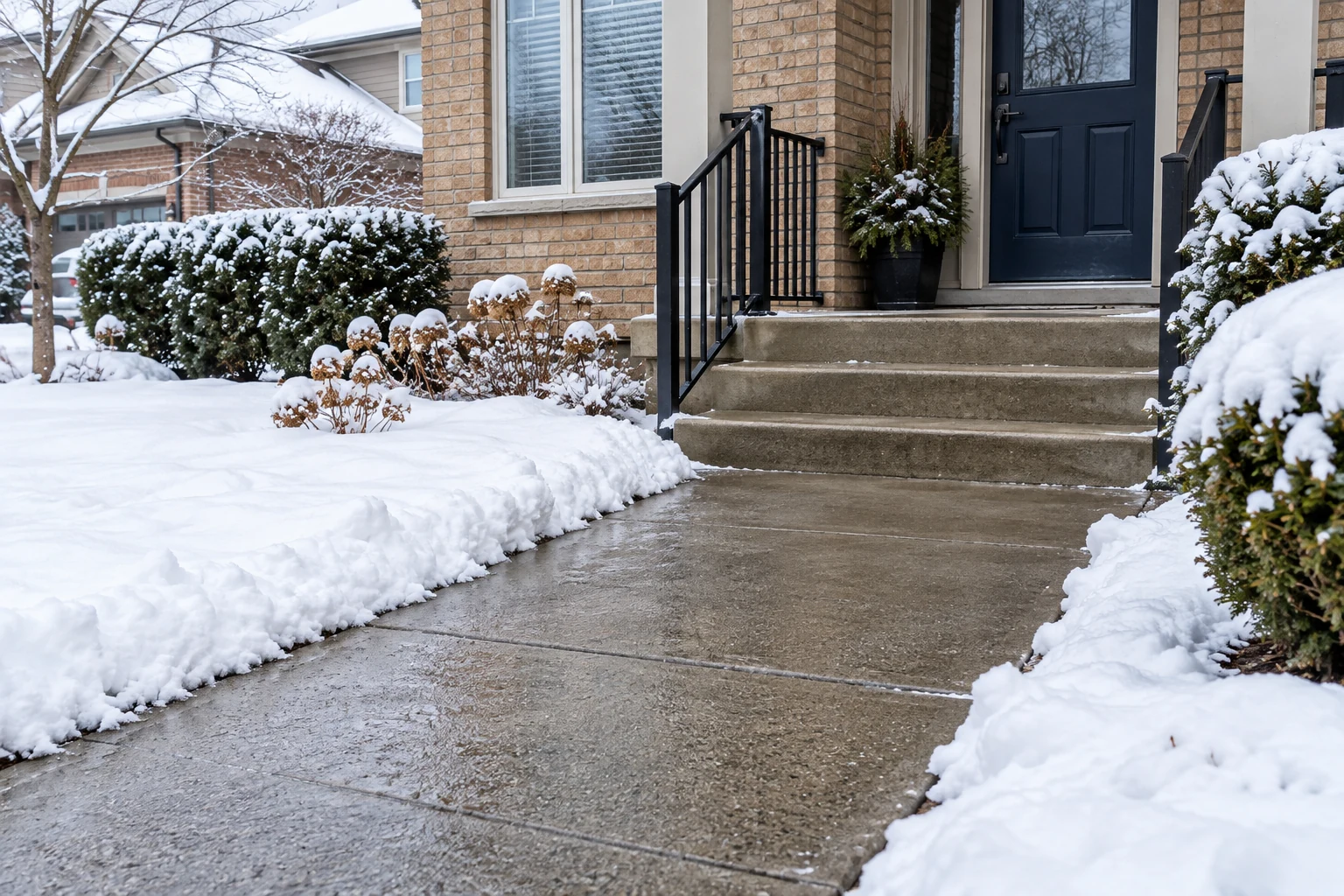
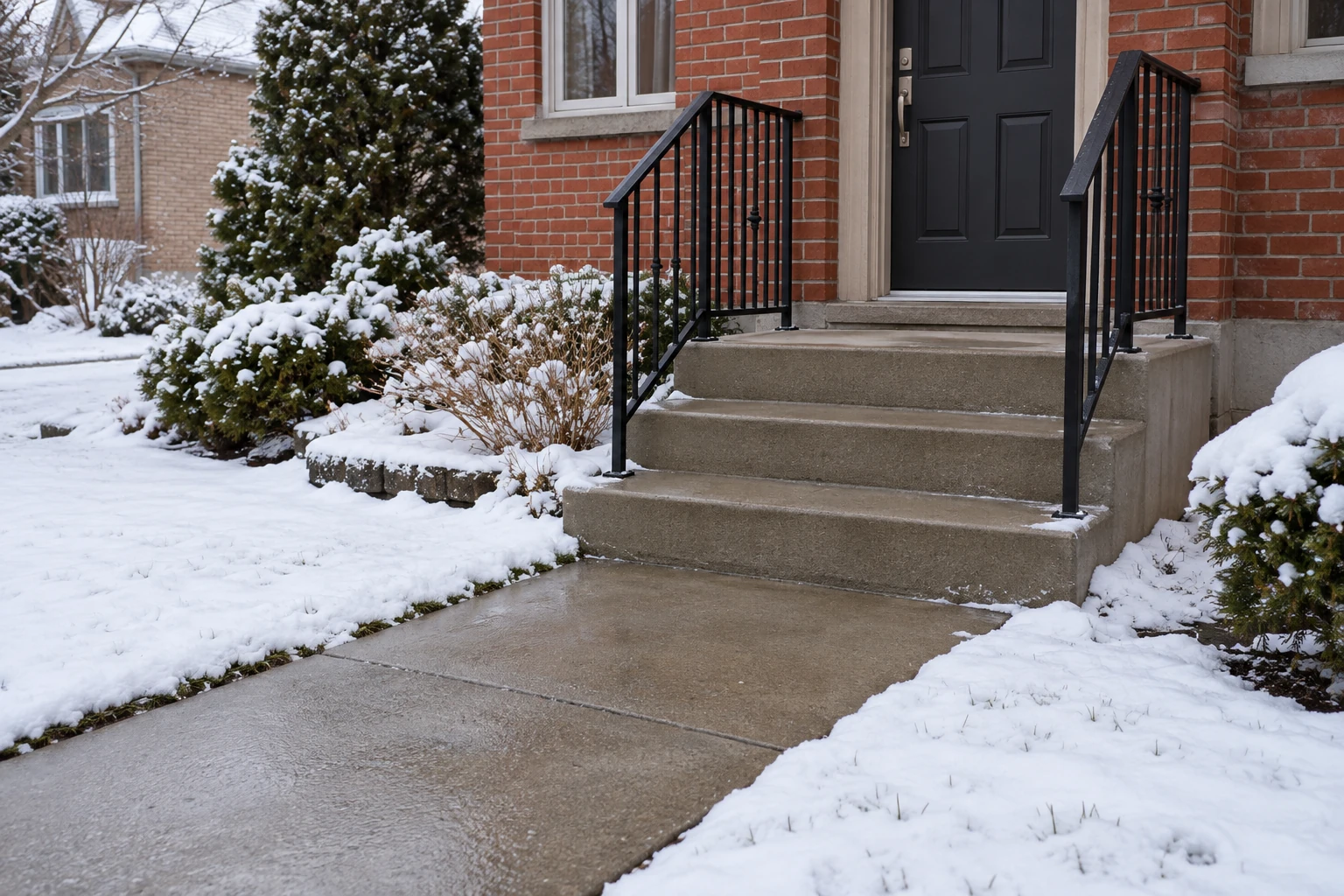
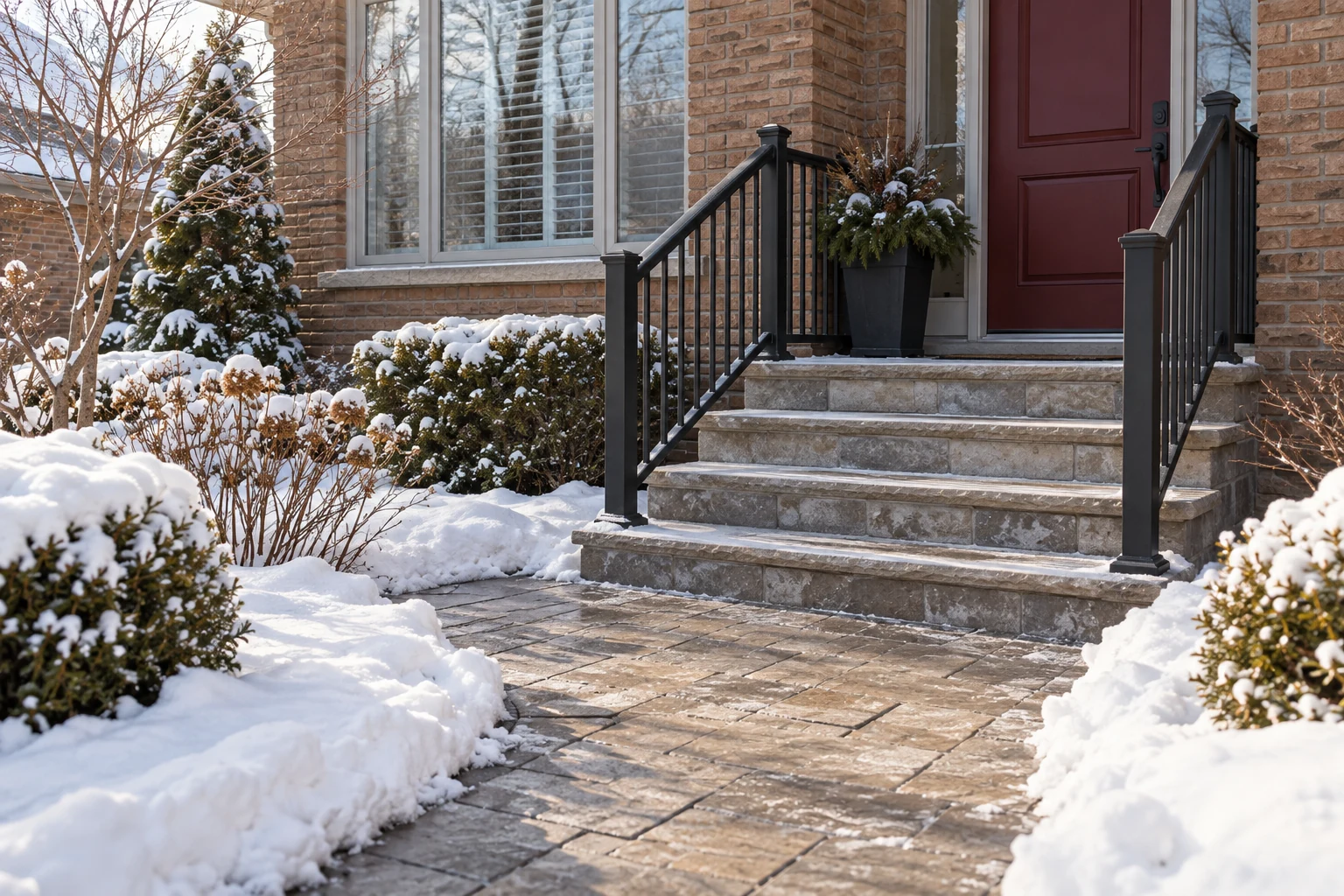
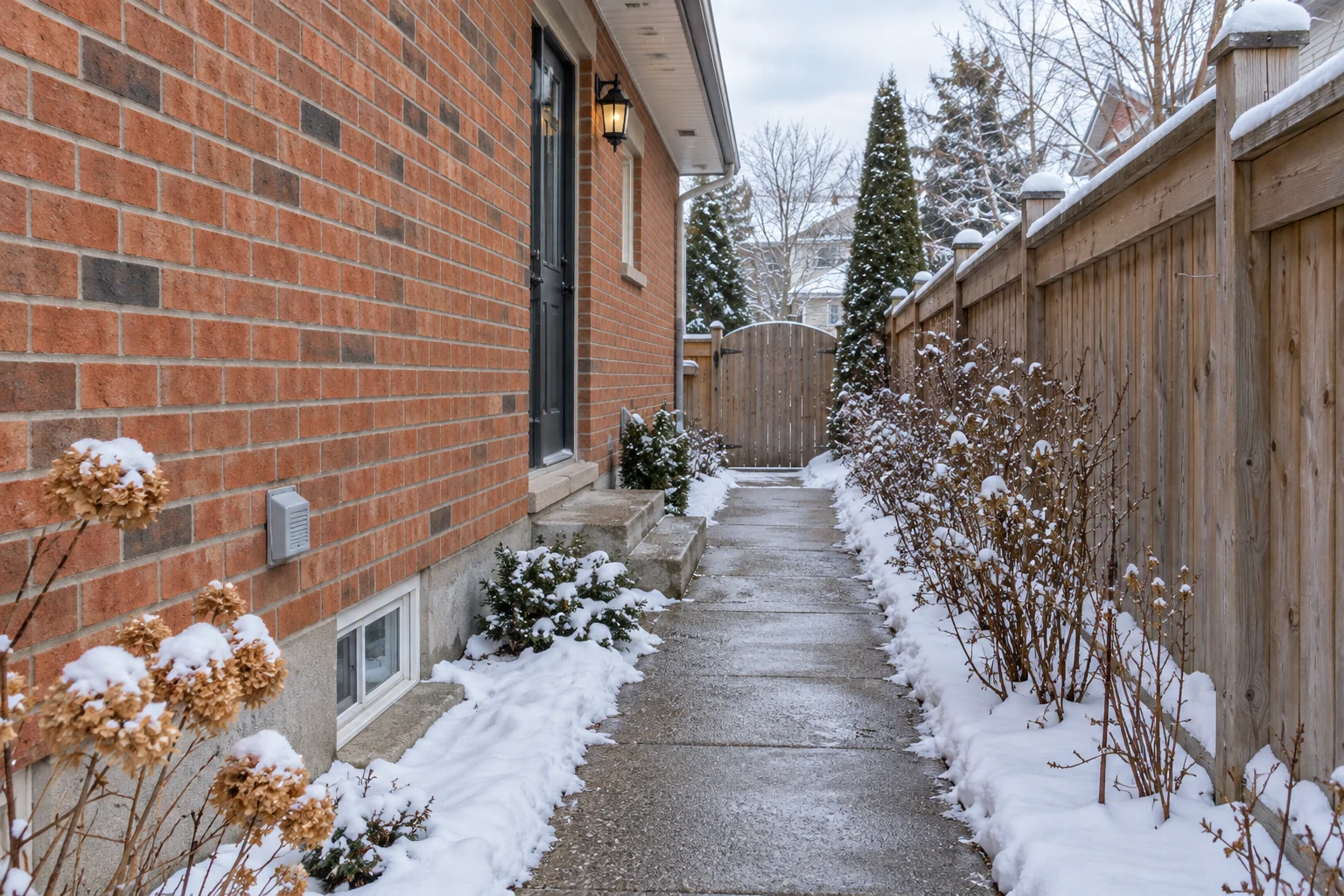
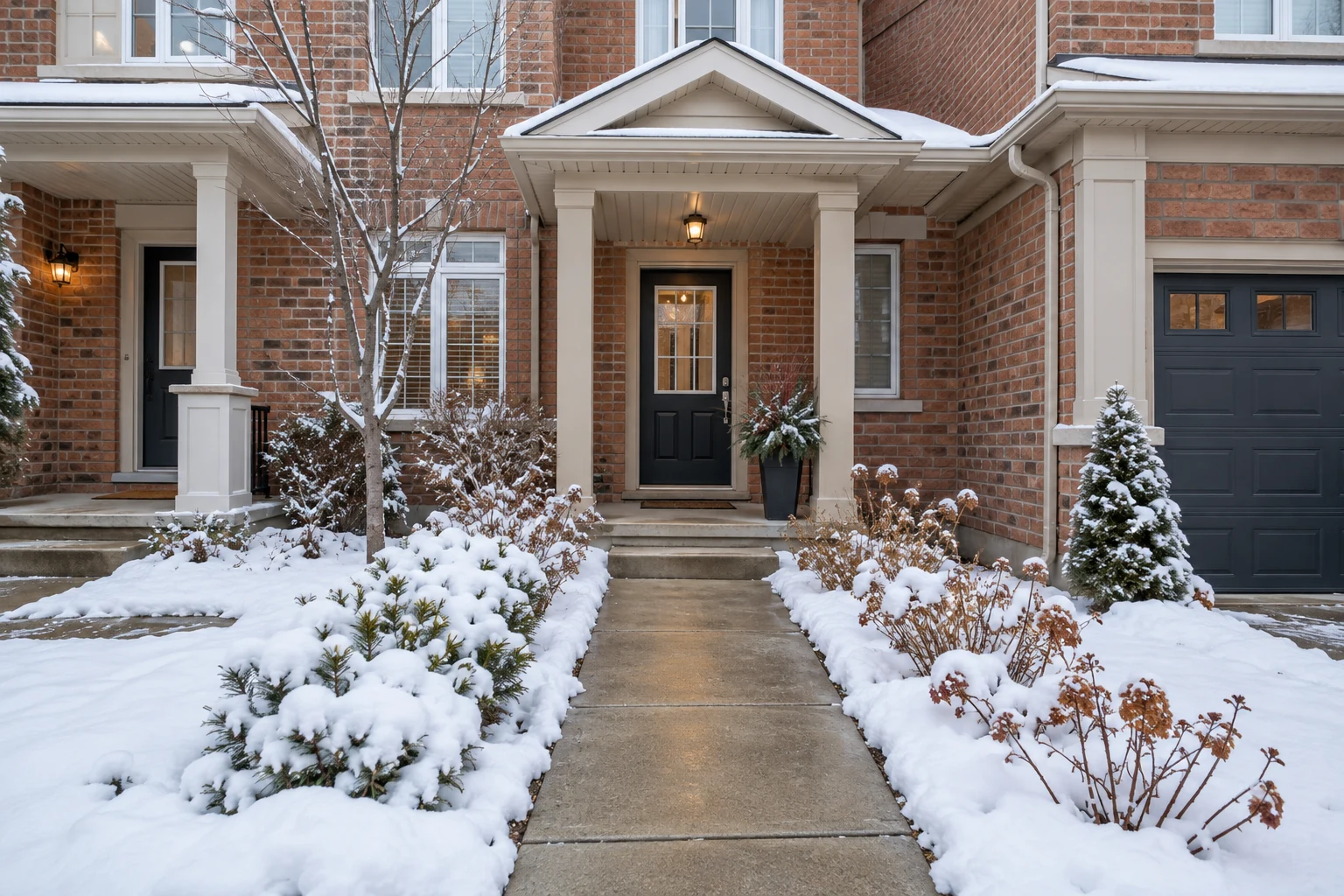
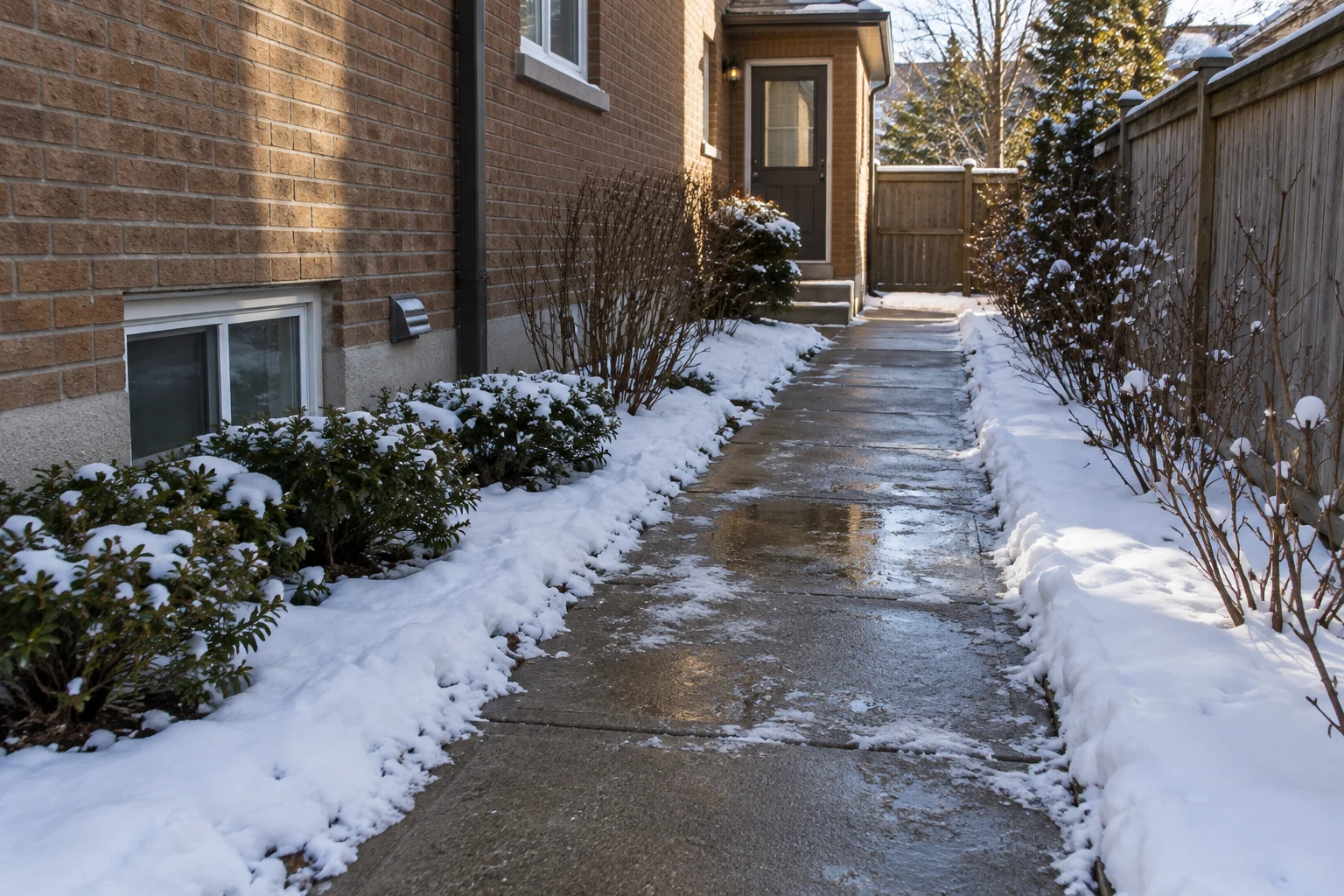
Mark the route from the driveway to the front door, porch landings, each flight of steps and any secondary entrance. A narrow side path or gate needs its own access discussion. Include the paving surfaces and obstacles that may be hidden once snow accumulates.
Repeated foot traffic can compact snow before clearing, while shaded steps and paths may refreeze later. Explain where those conditions commonly occur. Walkway clearing, step clearing and ice treatment are separate scope decisions; none should be assumed from the words driveway snow removal. Confirm which routes are included and whether access through a locked gate is available.
Oakville plow windrows and private driveway clearing
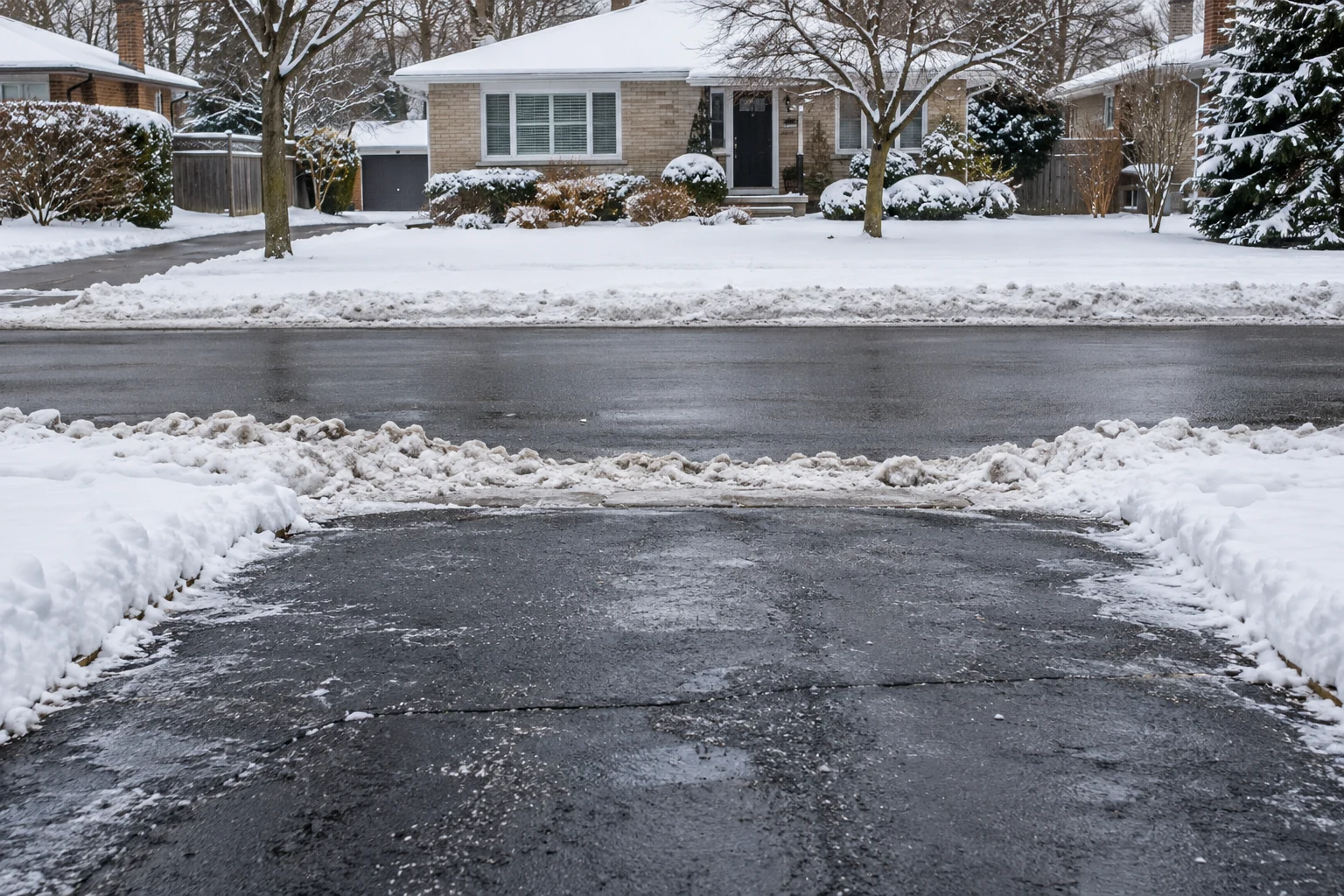
Information reviewed: October 11, 2026. Oakville’s paid Driveway Windrow Snow Clearing Program runs December 1, 2026 to March 31, 2027. Priority registration is October 1–15; general registration is October 16–November 7, with 1,100 places and possible early closure. After qualifying snowfall and road plowing, it clears about 80% of the windrow at the driveway opening, without exposing bare pavement. It does not clear the private driveway or windrows from sidewalk plows. Private roads, unassumed roads and laneways are excluded. Check the Town’s current eligibility and registration details.
Discuss the driveway opening separately from the interior driveway. A private visit can occur before the road is plowed, leaving a new ridge of snow afterward. Ask whether municipal windrow follow-up is included, how it is requested and whether it has separate attendance terms. Road clearing and private service do not necessarily happen in the same sequence.
Where will the snow go?
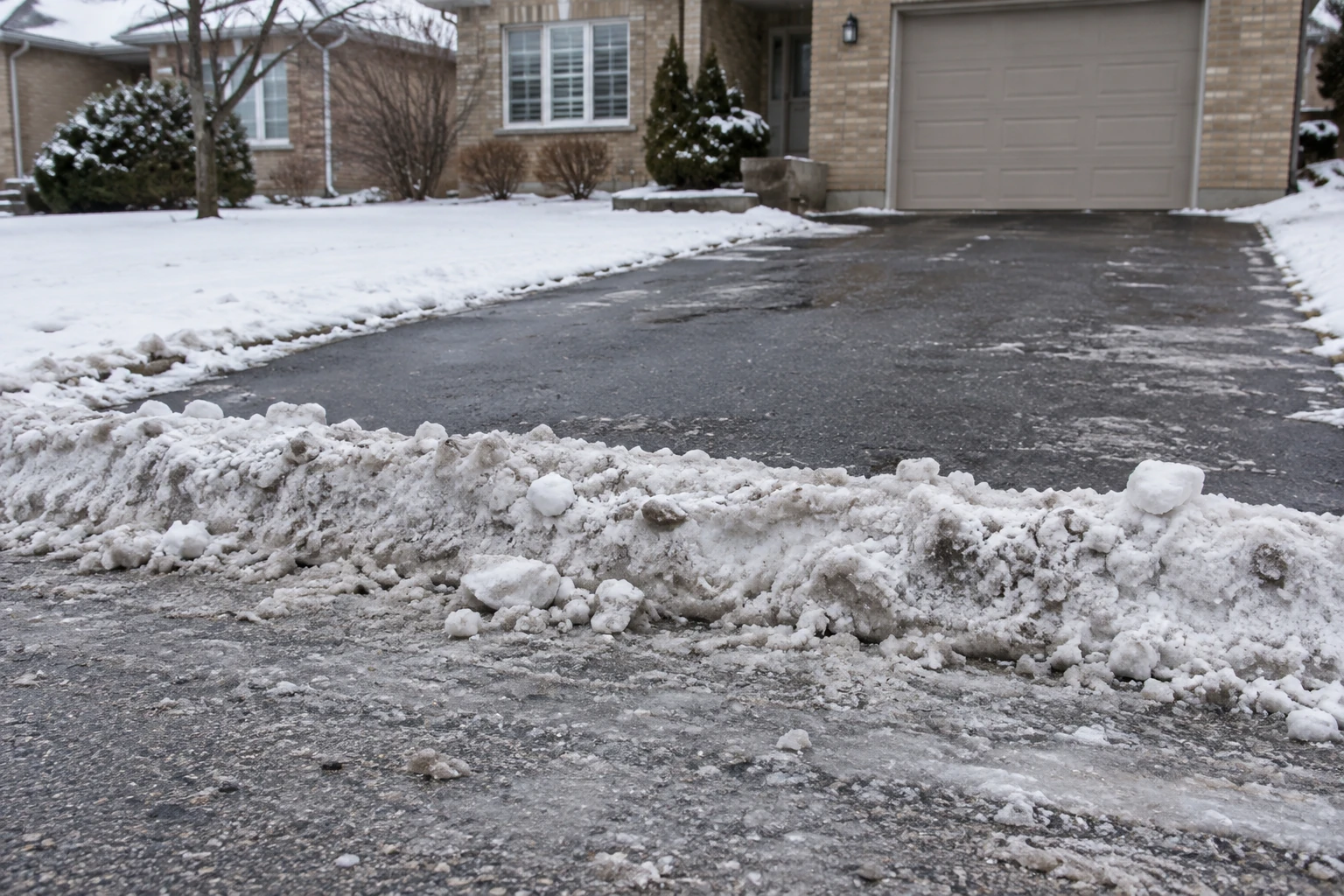
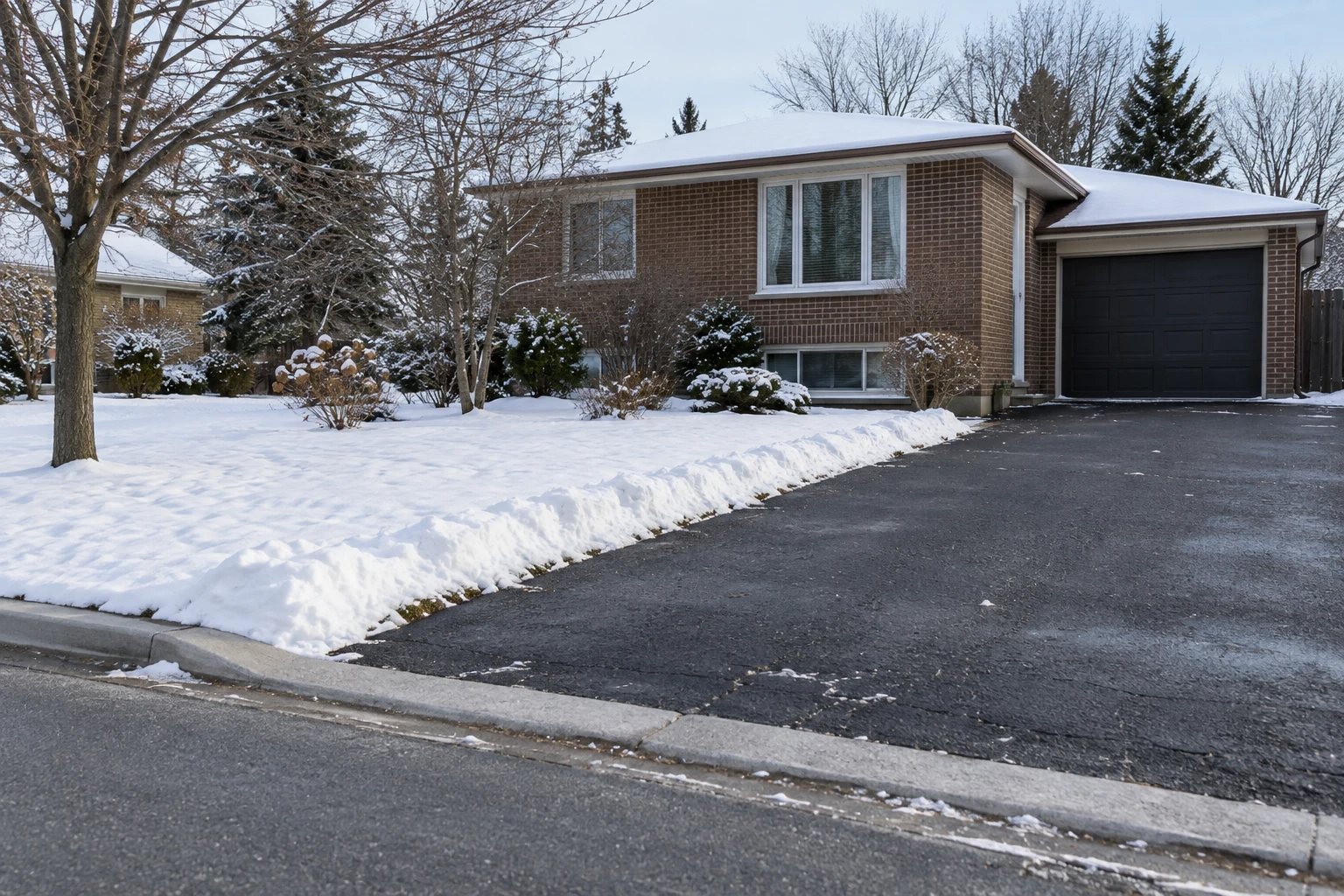
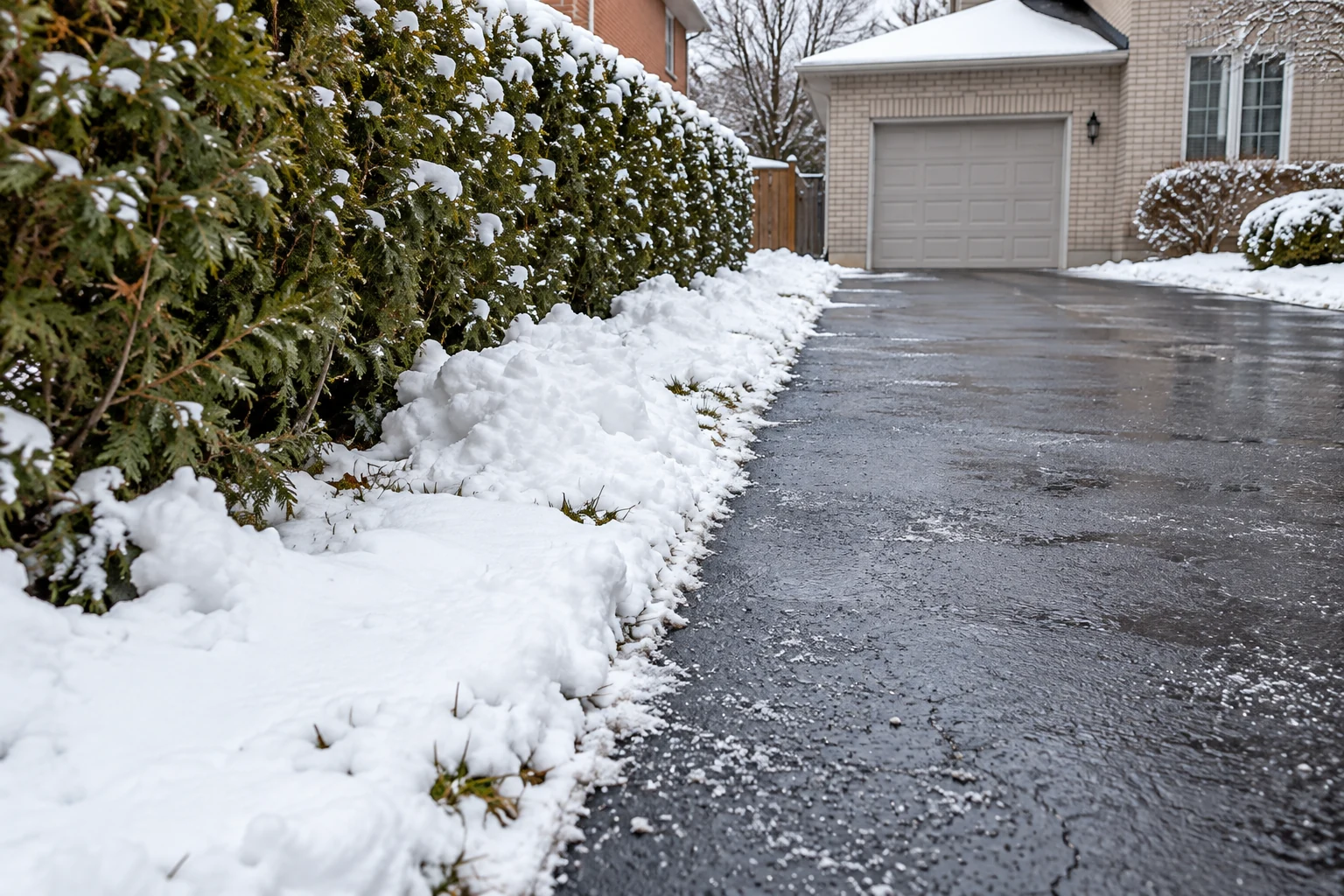
Snow storage needs enough room for more than one snowfall. Identify usable lawn-edge or driveway-edge areas before winter and note planting, entrances, hydrants and catch basins that must remain accessible. Piles should preserve sight lines when leaving the driveway and avoid narrowing private paths or spilling onto neighbouring property.
Do not plan to push snow into the road. Consider where stored snow will melt and whether its runoff may reach the garage or a walkway. As accumulation grows, the original storage space may become less practical. Agree how limited capacity is reported and whether moving or removing accumulated snow would require a separate authorized scope.
Meltwater, compacted snow and refreeze
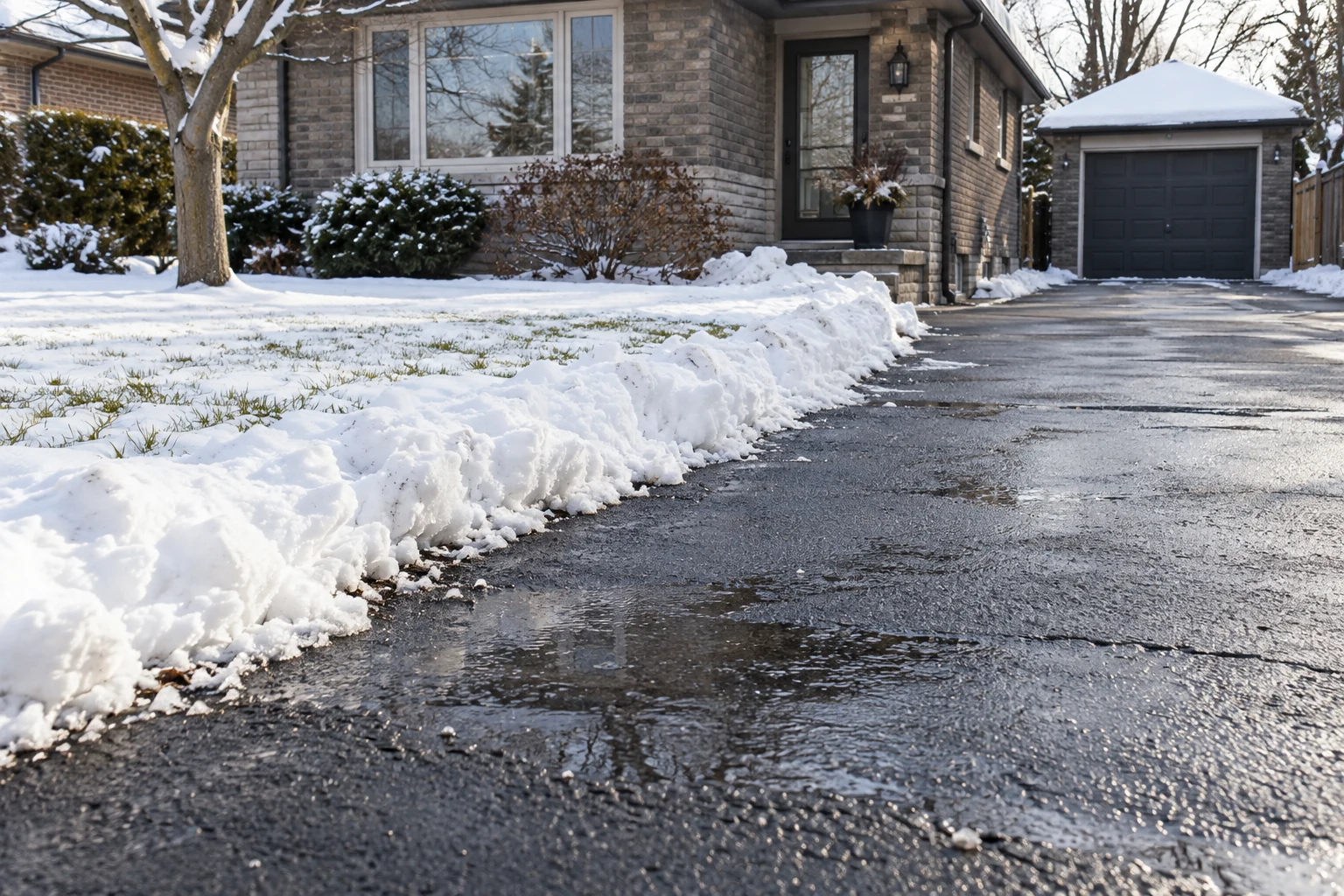
A clear surface can change after a visit. Thawing piles may send water toward a low spot, a sloped driveway or the junction beside a garage. Shaded walkways can remain cold while nearby pavement melts. Describe recurring wet or icy locations so the service discussion accounts for them.
Confirm ice treatment only where available and included. Ask which surfaces are covered, how changing conditions are communicated and whether further attendance requires a request. Clearing snow does not guarantee continuously ice-free pavement. Keep longer-term drainage concerns distinct from winter attendance; a service visit cannot establish or repair every source of runoff.
Seasonal, per-visit and storm arrangements
Ask which arrangements are available for your property. Recurring seasonal service and per-event or per-visit work can have different attendance terms. A snowfall trigger should be stated in the accepted agreement, together with how it is assessed. Do not assume a particular depth or schedule from a general service description.
For prolonged storms, discuss whether attendance may happen during snowfall, after it ends or in stages. Drifting and repeated accumulation can affect a route again after clearing. Confirm return visits, windrow follow-up and any exclusions. If a specific access need matters to your household, raise it before accepting service so the proposed timing can be assessed realistically.
Oakville winter responsibilities and municipal service
Oakville prioritizes primary and secondary roads before residential streets. Its snow-clearing guidance lists a 7.5-centimetre threshold for residential road plowing after snowfall ends and up to 24 hours for clearing after snow stops; heavy or successive storms may take longer. Local sidewalk plowing begins at eight centimetres, with clearing taking up to 48 hours after snowfall ends. Public-sidewalk operations are separate from your private walkway agreement. Keep hydrants accessible and, if able, nearby catch basins clear for meltwater. On collection day, place waste and recycling at the curb or driveway end, away from snowbanks.
Check Oakville’s on-street parking rules before moving a vehicle. Unless a permit applies, overnight restrictions are 2–6 a.m. from November 15 to April 15 south of Dundas Street, and 2–6 a.m. year-round north of Dundas. A permit does not allow vehicles to obstruct snow clearing.
Keep your private service boundary clear on a sketch. Municipal sidewalks, the driveway opening and the private route to your door are different areas. Identify bins, parked vehicles and access restrictions that could affect either public clearing or the work agreed for your home.
What affects a residential snow estimate?
The driveway footprint is only part of the request. Slope, garage access, parked vehicles, walkway length, steps, entrances and narrow routes influence the work. Limited snow-storage space and a shared driveway can also change the assessment. Provide wide photographs alongside close views of these features.
Compare the included areas and attendance terms, including triggers, return visits, windrows and any ice-control scope. A proposal for the driveway alone differs from one covering several private access routes. Ask which conditions could require additional work and how changes are approved. No fixed price or service frequency applies to every Oakville home.
Define the plan before the first storm
Share the property
Send the address, photographs and the access needs that matter to your household.
Mark clearing areas
Identify the driveway, private paths, steps and entrances you want included.
Review access and storage
Discuss parked cars, gates, shared edges and where snow can accumulate.
Agree attendance terms
Confirm the trigger, storm expectations, exclusions and any return visits.
Address windrows and ice
Specify follow-up and treatment only where available and accepted.
Keep conditions current
Use the agreed contact route to report changed access or storage concerns.
Residential Snow Removal Gallery
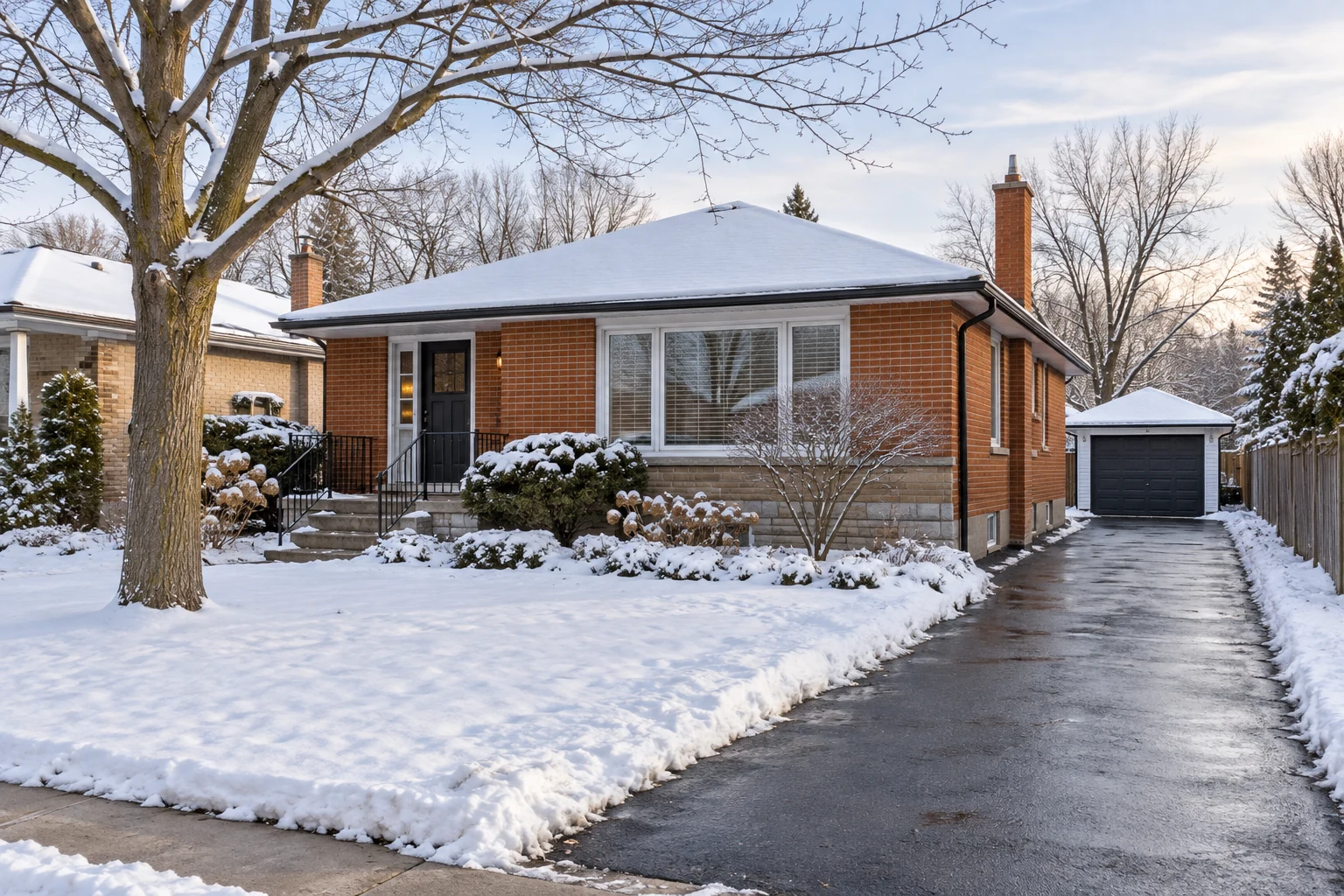
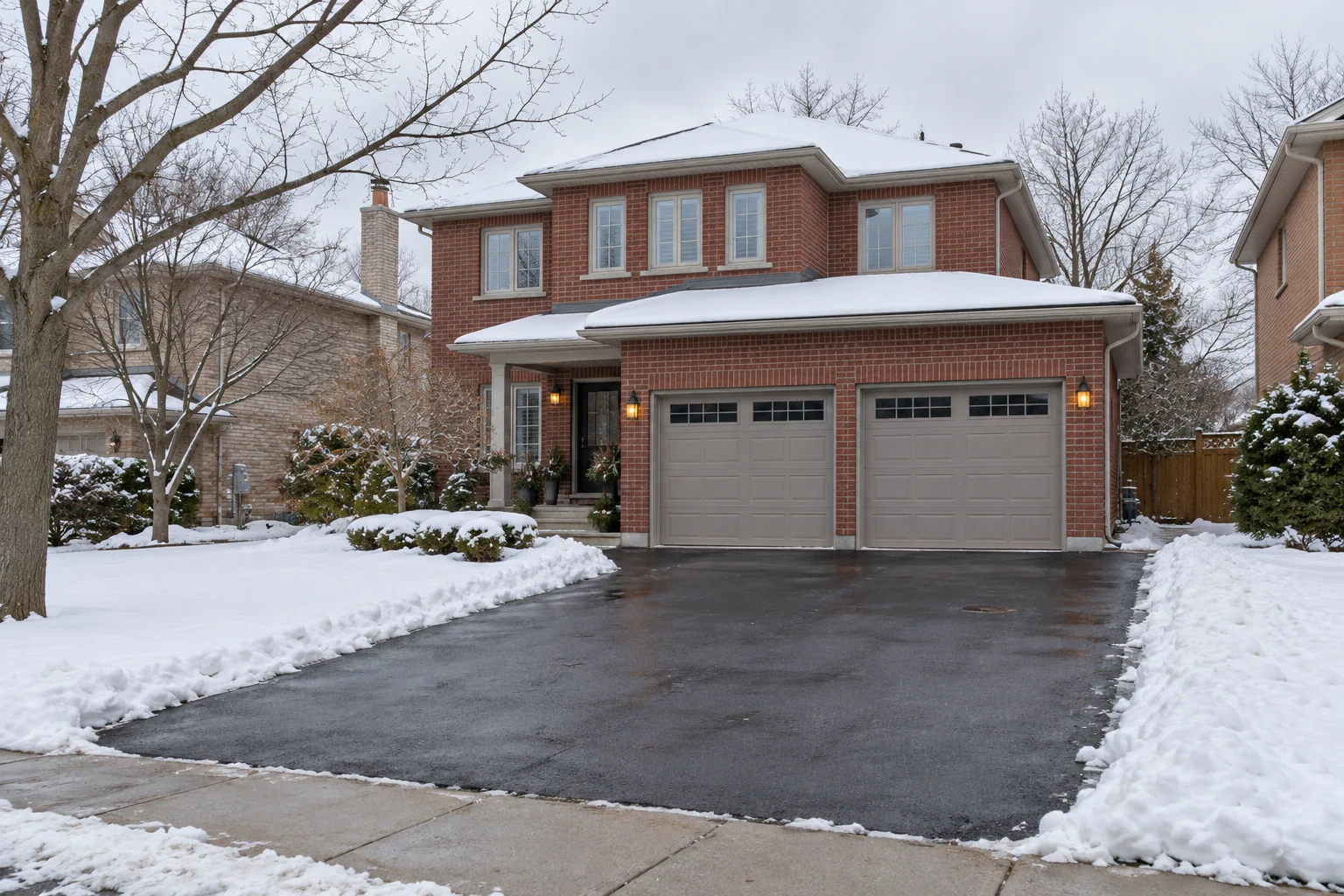
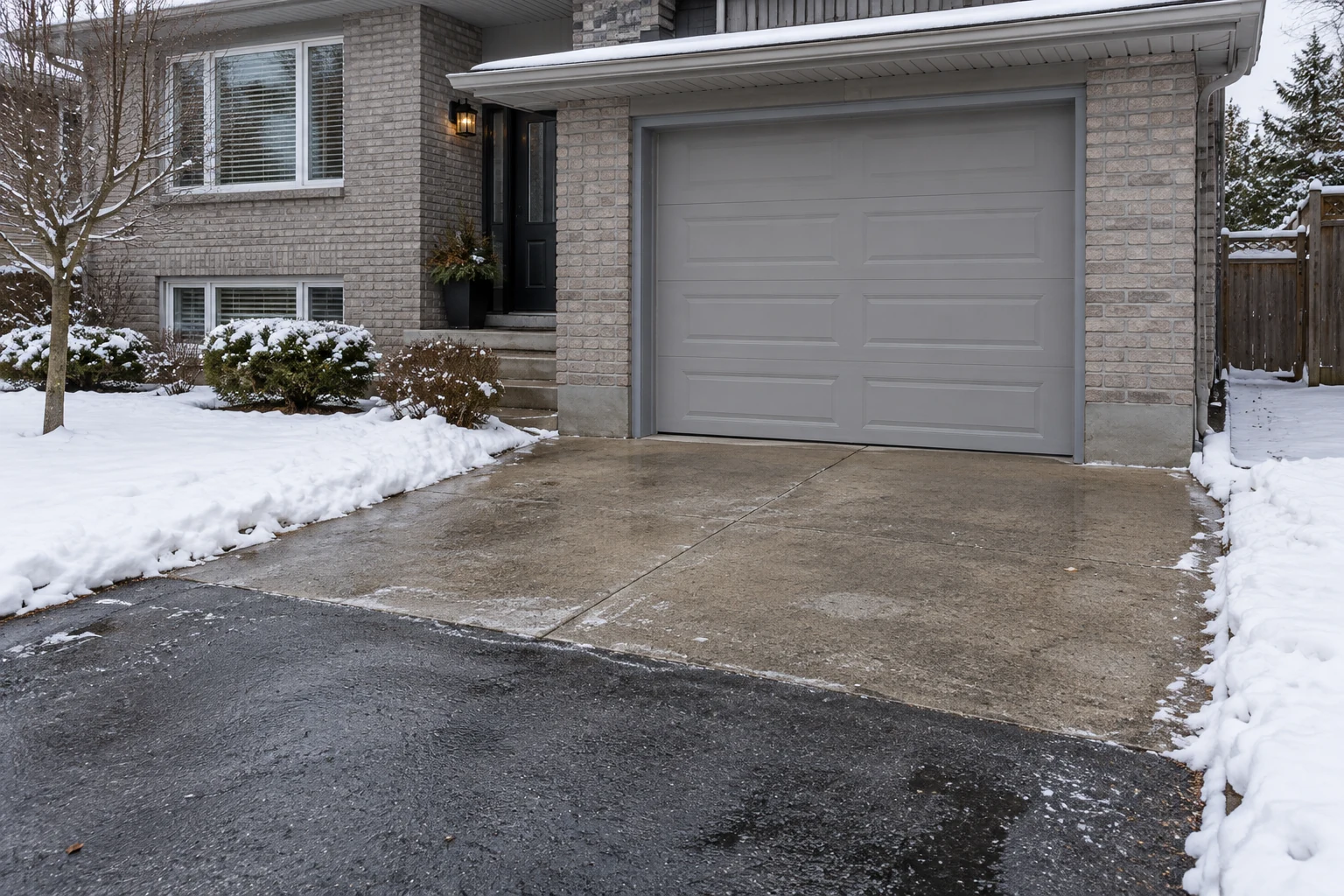
Residential winter scenes showing driveways, private walks, entrances and snow placement.
Residential snow removal questions
What areas of my residential property can be cleared?
The accepted scope may include the driveway, private walks, entrances, steps and accessible side routes. Name each area before accepting service.
Can my driveway and walkway both be included?
Yes, request both for assessment. A driveway-only arrangement does not automatically cover the private path to your door.
Are front steps and porch access included?
Only when agreed. Identify the steps, landings and entrance, along with any gate or narrow access restriction.
Does Oakville clear residential sidewalks?
The Town operates a municipal sidewalk-clearing service. Check its current winter guidance; private paths and entrance routes require their own agreed scope.
What is a driveway windrow?
It is the ridge left at a driveway opening by road plowing. Clearing it and clearing the private driveway are separate tasks.
Does the Town windrow program clear my whole driveway?
No. Its registered service concerns the road-plow windrow at the opening, rather than the private driveway itself.
Can private snow removal include a municipal windrow?
Ask whether it is available and included. Confirm follow-up after road plowing and any separate return-visit terms.
Is residential salting included?
Do not assume it is. Confirm whether ice treatment is available, which surfaces are covered and how further attention is requested.
Can service be seasonal?
Ask about available seasonal arrangements and their included areas, attendance trigger, exclusions and return visits before accepting a proposal.
Can I request a single visit?
Per-visit work may be available depending on the arrangement. Confirm availability and the exact work requested before relying on attendance.
What if cars are parked in the driveway?
Agree how cars should be moved and which accessible portions can be cleared. A later return is included only if agreed.
Where will the snow be placed?
Identify suitable storage areas before service, preserving entrances and sight lines. Discuss what happens when repeated snowfall reduces available space.
What happens during a long storm?
The agreement should explain attendance during continuing snowfall and whether further visits are included or require a request.
What if snow melts and refreezes?
Report changing conditions through the agreed contact route. Further clearing or ice treatment depends on availability and the accepted scope.
When should I arrange residential snow service?
Begin before winter conditions arrive so the property, available arrangement, access and storage can be reviewed. Confirm availability for your requested period.
What should I send for a residential snow estimate?
Share the address, photographs, typical vehicle positions, private routes to include and possible snow-storage areas. Identify steps or narrow access and the service arrangement you want to discuss.
Connect winter access with seasonal property care
Use the Snow Removal hub to compare property types. For a business site, follow Commercial Snow Removal; this residential page focuses on homeowner access.
Fall Yard Cleanup can help prepare private routes and landscape edges for winter, while Property Maintenance and Lawn Mowing address care in other seasons. Request an Estimate with the winter areas you want included.