
What type of winter service does your property need?
A home driveway, a business parking area and a group of managed properties need different winter plans. Start with the property type and the routes that matter, then follow the appropriate service below. This hub helps organize the decision; the dedicated pages explain the relevant access conditions and service scope in more detail.
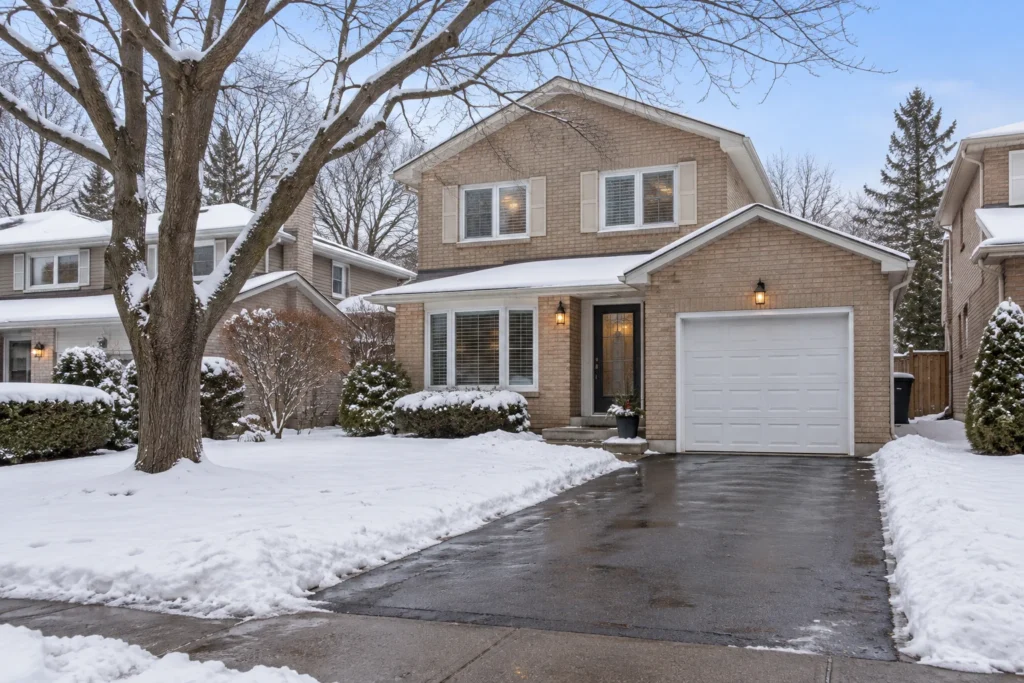
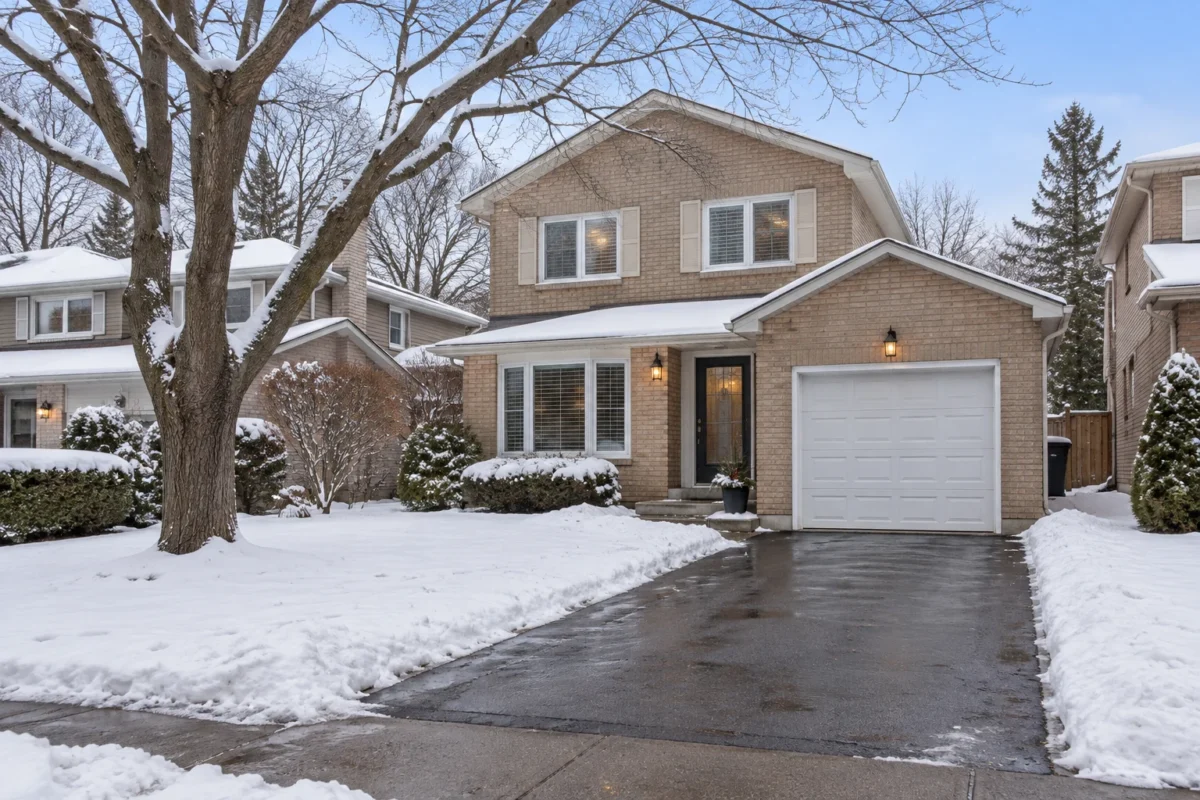
Residential Snow Removal
Private driveways, garage access, entrances, steps and agreed private walkways. Choose this path to discuss the areas your household needs cleared and the practical limits of residential snow storage.
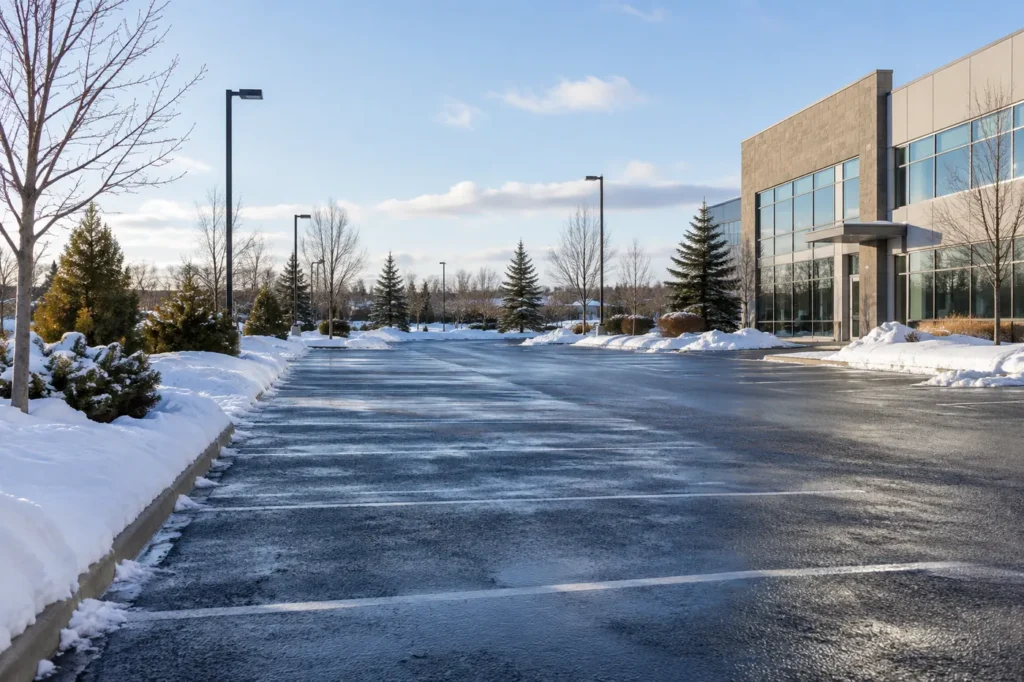
Commercial Snow Removal
Business parking, traffic routes, entrances and loading access. Start here when winter work must fit the movement of customers, staff and deliveries across a commercial site.
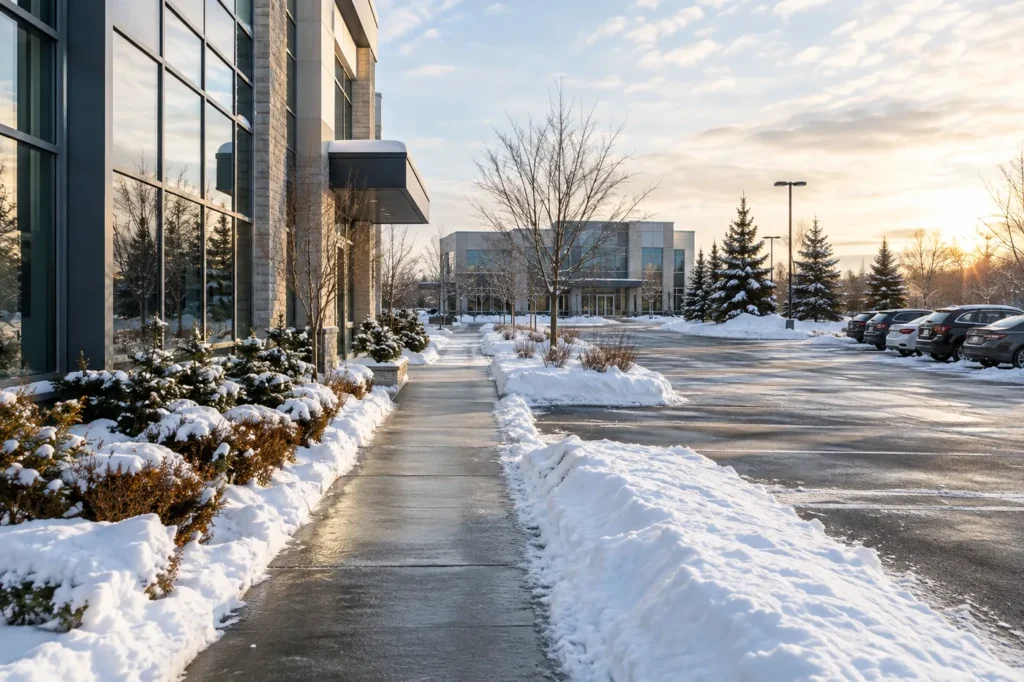
Snow Removal for Property Managers
Managed commercial sites with defined contacts, boundaries and priorities. Use this route to coordinate different buildings or locations without assuming each property has the same work requirements.
Commercial Salting & Ice Control
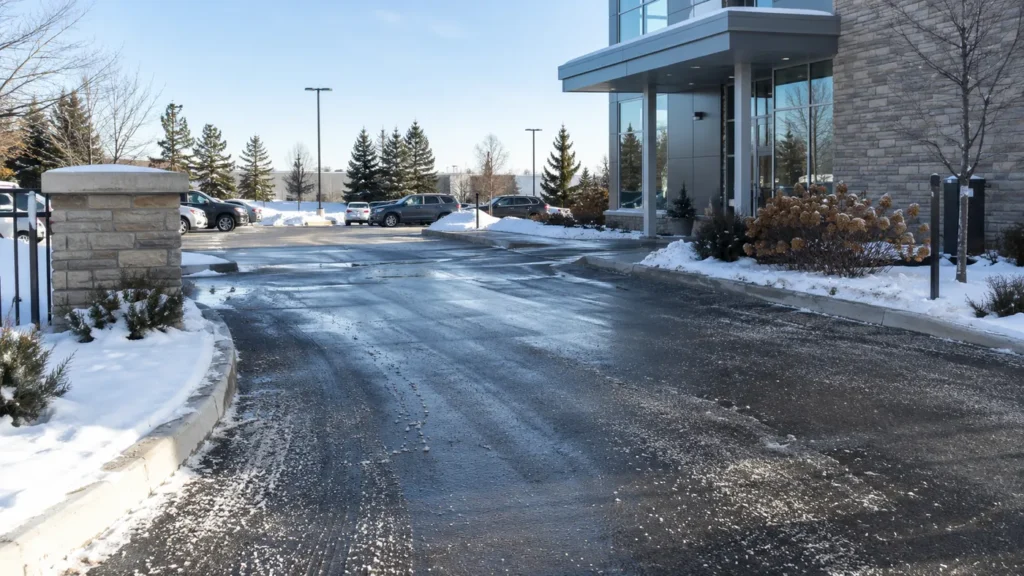
Agreed commercial treatment zones and ice-management considerations. Choose this route when treatment of entrances, pedestrian surfaces or parking areas needs a distinct scope alongside snow clearing.
Begin with access, rather than only the amount of paving
At home, the immediate concern may be getting from the garage or driveway to the front door. On a business property, the same-sized paved area could also support deliveries, customer movement and an occupied parking pattern. Describe those activities before requesting an estimate. They help identify which routes need attention and which parts of the site fall outside the request.
Start with residential snow removal for homeowner driveways and private access. A retail, office or other business property belongs with commercial snow removal. If you coordinate several commercial sites or tenant requirements, the property-manager service adds the relevant communication and site-planning discussion.
Separate snow clearing from ice management
Snow removal concerns the accumulated snow in the areas agreed for clearing. Ice management is a separate decision about surfaces and changing conditions. A clearing visit does not establish that every route has been treated for ice, nor that treatment will be repeated whenever temperatures change. Ask how those tasks are described in the proposal.
The commercial salting and ice-control page addresses commercial treatment areas. Homeowners should confirm any available residential ice-treatment scope directly rather than assuming a commercial program applies. Keep the surfaces, attendance conditions and additional work clear for whichever property type is involved.
Define private areas and shared boundaries
A winter plan should identify the exact work boundary. At a home, distinguish the driveway and private walk from adjoining public areas. At a commercial site, separate common access, leased spaces, loading routes and areas maintained by another party. For a shared driveway or adjoining business lot, describe how the boundary will be recognized when it is covered by snow.
Municipal service and private attendance have different scopes. Consult the Town’s current snow-clearing information for public operations. Discuss how the private plan will respond when conditions change after a visit, including a road-plow windrow where relevant. Neither service boundary should be left to assumption.
Make snow storage part of the first discussion
Identify potential storage areas and what must remain visible or reachable around them. A small front yard may have limited room beside a driveway; a business site may need to preserve parking, delivery access and sight lines. Consider how more than one snowfall affects the available space, rather than evaluating a storage location only when the property is empty.
Ask how reduced capacity will be communicated and whether relocating or removing accumulated snow needs a separate proposal. Also consider where meltwater may travel from the proposed pile. The storage plan should support the agreed access routes throughout the arrangement, with any limits stated clearly.
Understand triggers and available service arrangements
Seasonal and per-visit arrangements, where available, can describe different attendance expectations. Ask what triggers service, how that condition is assessed and what the proposed work includes. An agreement should explain the arrangement for your property; a general website description cannot supply an unstated depth, schedule or timing commitment.
Compare proposals using the same boundaries and conditions. A driveway-only visit is different from residential driveway and step clearing. Commercial lot clearing differs from a plan that includes pedestrian routes or separate ice treatment. Identify the optional work and exclusions so the apparent comparison does not hide a difference in scope.
Account for parked vehicles and changing access
Show typical vehicle positions, gates and obstacles before service is accepted. A car left at home can limit driveway access; parked vehicles, bins or delivery activity can affect a business route. Explain who can move an obstruction and whether the site contact will be available when access changes.
A return to clear an area that was previously blocked is a separate attendance question. Confirm whether it is included or requested, rather than assuming a cleared area will automatically be revisited. For managed commercial properties, keep these instructions in the site information supplied through the property-manager service.
Plan for continuing snowfall, drifting and refreeze
A long snow event can change conditions after an initial visit. Discuss attendance during ongoing snowfall, the point at which a further visit is considered and how new accumulation or drifting should be reported. Windrow follow-up may need a different discussion from the original snowfall, especially when public-road work occurs later.
Thawing snow and colder shaded surfaces can create another set of conditions. Identify known low spots and routes where meltwater collects. Ask about the available scope for further clearing or treatment, keeping it specific to the property type. The plan should explain what happens next without promising permanently clear or ice-free surfaces.
Choose a contact and a way to report changes
A household should know whom to contact about a moved vehicle, a blocked route or changed access. A commercial agreement may involve a site contact, manager and person authorized to approve additional work. Identify their roles before winter so a reported concern reaches someone able to act on it.
For several managed sites, provide separate maps and instructions instead of one general description. If opening hours or delivery patterns vary, record the differences. The commercial clearing planning hub helps compare commercial work boundaries, while commercial ice-control planning organizes the treatment questions.
Prepare a useful estimate request
Share the Oakville address, property type and photographs showing the entire work area as well as entrances and narrow routes. Mark the desired clearing boundaries, usual vehicle positions and potential storage space. Describe the arrangement you want to discuss and any access concern that already occurs during winter.
For a home, use the residential service page and name the private paths or steps as well as the driveway. For business or managed properties, include the relevant site contacts and operating requirements. The Commercial Snow Removal Planning Guide provides a further checklist for commercial sites. Request an Estimate when you are ready to discuss the specific property.
Choosing a snow-removal service
Which page should I use for a home driveway?
Choose Residential Snow Removal. Include any private walkway, steps or entrance you also want assessed, rather than assuming a driveway request includes them.
Which service covers business parking and loading access?
Commercial Snow Removal is the appropriate starting point. Specify the parking sections, routes and entrances so the proposed business scope is clear.
What if I manage more than one commercial property?
Start with Snow Removal for Property Managers and supply separate site information. Shared coordination should still preserve each location’s distinct boundaries and access needs.
Is ice treatment automatically included with clearing?
Confirm it separately. Commercial treatment has its own service page; any residential treatment depends on availability and the accepted residential arrangement.
When will snow clearing take place?
Confirm the snowfall trigger and timing for your property before accepting service, together with return visits and attendance during continuing snow.
Can I discuss winter service alongside other property care?
Yes. Identify winter work separately from seasonal lawn and garden care, using the existing Property Maintenance pages for the additional services you want assessed.