
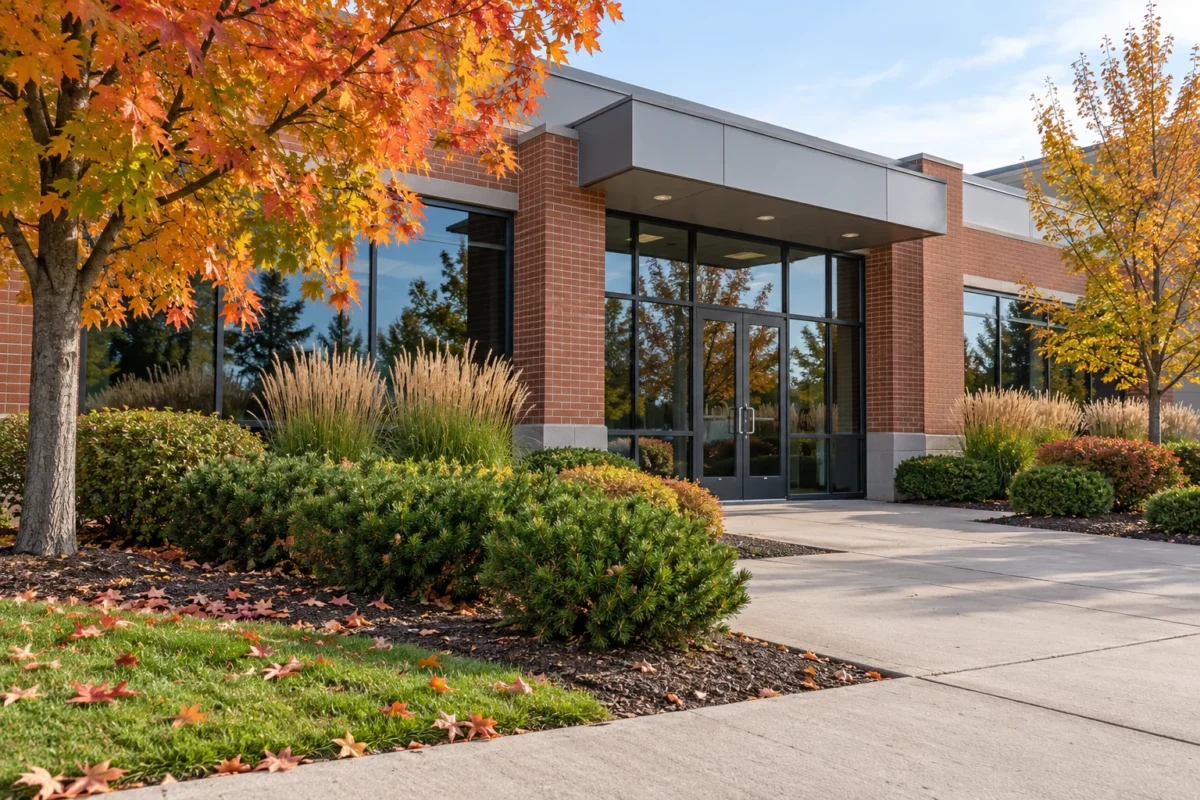
Choose care around the property’s calendar
Seasonal cleanup and commercial landscape care often share the same grounds, but they answer different questions. A spring visit may address leaves, winter debris and the condition of planting beds. A recurring business-property plan may need to keep entrances, lawn edges and shared outdoor areas presentable through changing occupancy and weather. Larger properties add another consideration: the work needs to cover distant or less visible areas as well as the front entrance.
This hub helps you choose the appropriate service page before requesting an estimate. Begin with the task that is creating the need, then identify whether it is a single seasonal visit, ongoing grounds care or a defined landscape improvement. If you are comparing broader garden, lawn and hedge services, the Property Maintenance hub provides the wider set of options.
Five routes for seasonal and business-property needs
The pages below cover distinct types of work. Choose by the property and the decision you need to make, rather than treating every exterior task as part of one general cleanup. A useful enquiry can identify one primary service and list adjacent tasks for discussion.
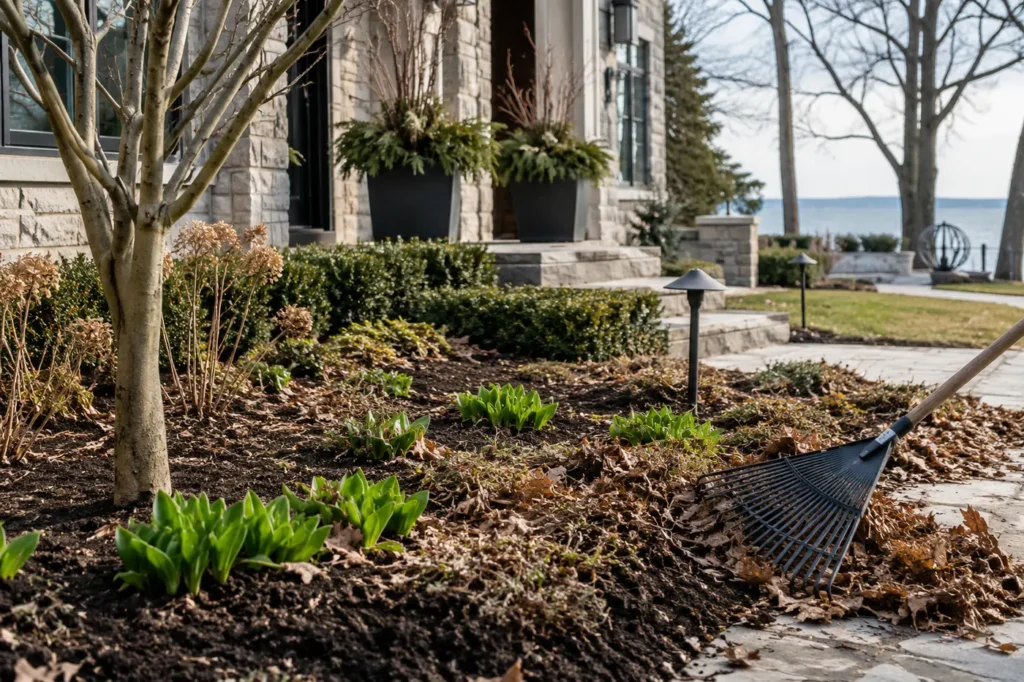
Spring Yard Cleanup
Use this route when the main need is preparing outdoor areas after winter. Describe remaining leaves, loose plant debris, beds that need attention and any access constraints. A spring cleanup is an opportunity to see the existing condition clearly; it does not automatically include new planting, repairs or a recurring maintenance schedule.
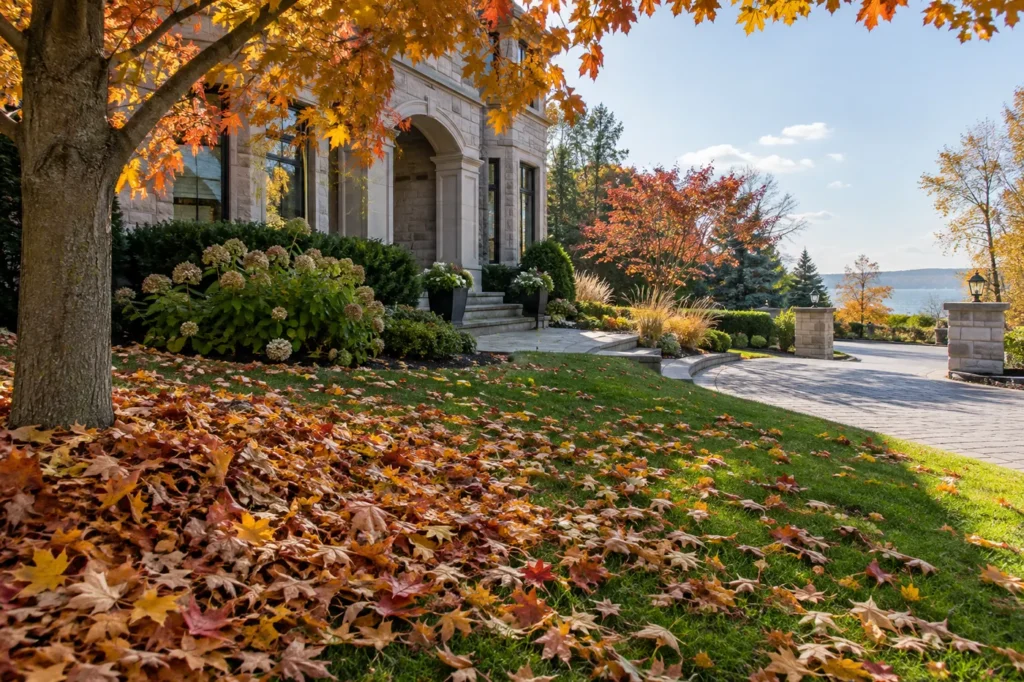
Fall Yard Cleanup
Choose this page when accumulated leaves and seasonal debris are the immediate concern. Timing matters because material may continue falling after a visit. Identify the trees, lawn areas, beds and paths included in the request, and explain whether the property needs a single cleanup or a discussion about staged visits.
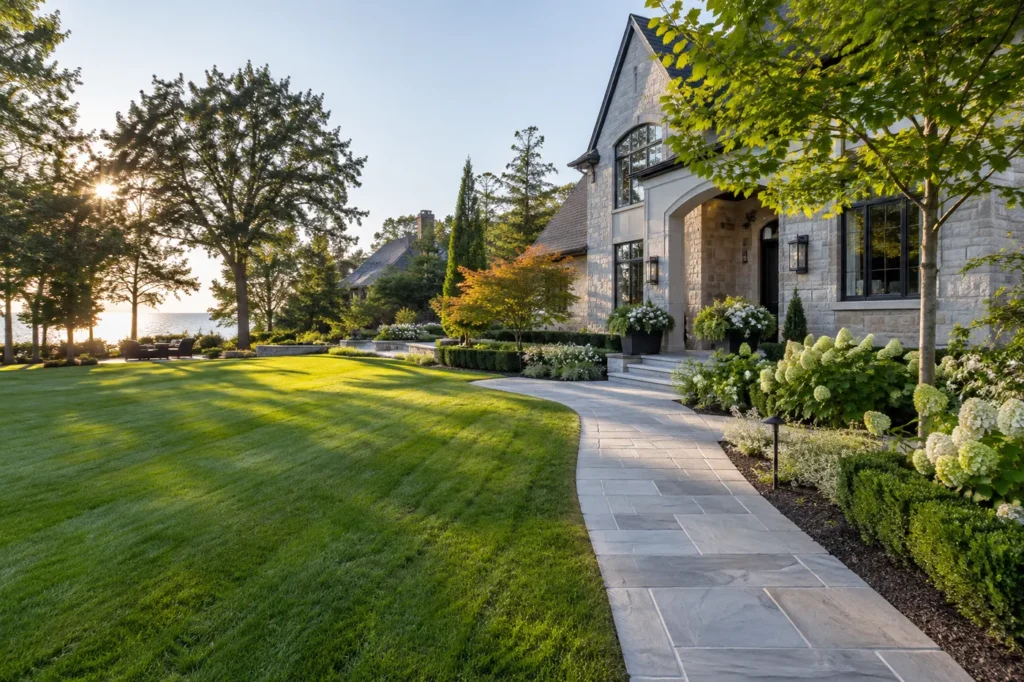
Large Property Landscaping Maintenance
Larger residential grounds can contain several separate work zones, each with different access and priorities. This route is useful when lawns, beds, hedges and paths need a coherent care plan across the whole property. Include rear areas and secondary entrances in photographs so an estimate is not based only on the street-facing garden.
Commercial Landscaping
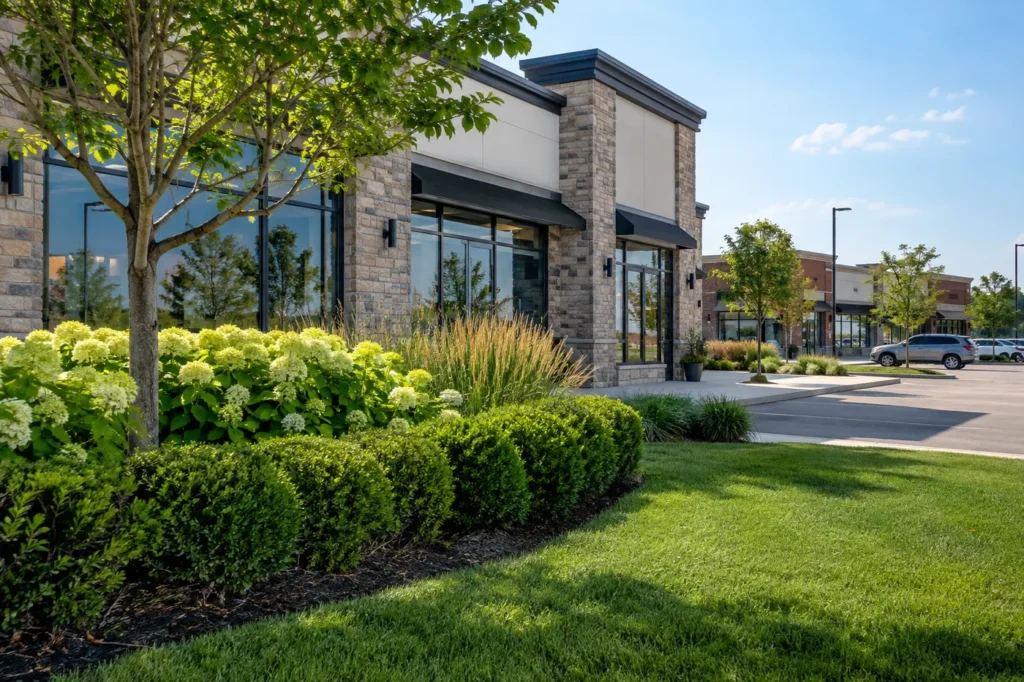
Use the commercial landscaping page for business grounds where landscape presentation, planting and outdoor-area changes need to fit site operations. Explain what you want to improve, the areas affected and the business activity nearby. A planting or landscape project can require a different scope from routine grounds maintenance, even on the same property.
Landscaping for Property Managers
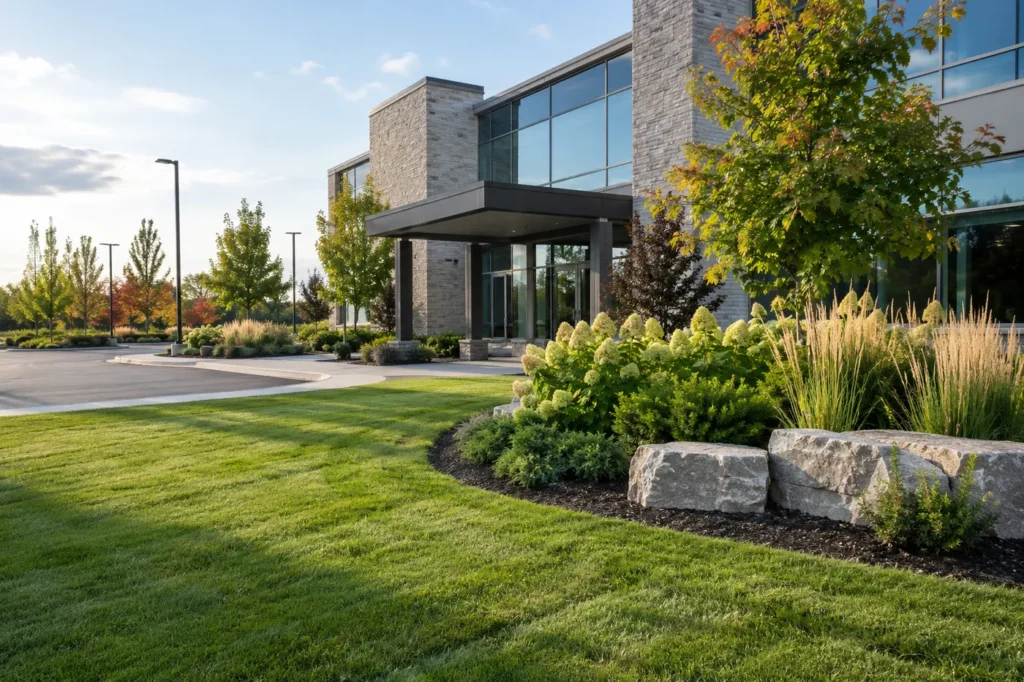
This route addresses coordination across managed grounds, shared spaces or multiple properties. It is helpful when one contact needs clear boundaries, site priorities and a consistent way to communicate requests. Identify which properties are involved, who can approve work and which on-site contacts can answer access questions.
Separate the visit from the ongoing plan
A one-time cleanup has a defined starting condition and an agreed set of areas. An ongoing care plan needs a shared understanding of the tasks that repeat, the areas included and how additional requests are handled. These arrangements should be discussed directly rather than inferred from a broad service name. If the main need is recurring care at a business site, review Commercial Property Maintenance as well as the seasonal options.
Describe your intended result in concrete terms. “Prepare the front beds and clear last season’s leaves” gives a different starting point from “maintain the landscaped grounds around all tenant entrances.” Mention whether an existing provider handles any part of the property. That helps avoid overlapping work and makes gaps between responsibilities easier to identify before the estimate is agreed.
| Starting need | Useful route | Detail to clarify |
|---|---|---|
| Debris and beds after winter | Spring cleanup | Areas included and existing damage |
| Leaves gathering across the grounds | Fall cleanup | Tree coverage and preferred timing |
| Several garden and lawn zones | Large-property maintenance | Whole-site access and priorities |
| Ongoing business grounds care | Commercial property maintenance | Repeat tasks and occupied-site needs |
| A specific landscape improvement | Commercial landscaping | Project boundaries and the intended change |
Map the areas before comparing estimates
Use a simple site sketch or marked photograph to show lawn areas, beds, hedges, paths and entrances. Include places that are easy to overlook, such as the strip beside a parking area or planting behind a building. Shared boundaries deserve particular attention: an outdoor area may look continuous even when different owners or managers are responsible for its care.
Label priorities rather than asking for every area to receive the same treatment. A front entrance may need close attention to presentation, while a larger rear lawn may have a different purpose. Note locked gates, narrow side access, slopes and sensitive planting. These details help explain the work required and reduce the chance that two estimates describe substantially different areas.
Connect seasonal tasks without assuming extra work
Spring and fall visits can reveal matters that sit outside a cleanup scope. A bed may have declining plants, a lawn edge may have shifted or a heavily used route may need a separate improvement. Record those observations and decide whether to request additional work. A clear distinction between care and change helps keep the immediate task understandable.
For a business site, the Commercial Landscape Enhancements page is useful when the proposed work is a targeted improvement to the existing grounds. Photographs of the current area and a short explanation of the desired result are more helpful than an open-ended request to “make everything look better.” Keep proposed changes separate from the regular maintenance checklist so each can be discussed on its own merits.
Plan access around people using the site
Outdoor care takes place beside everyday activity. At a home, gates, pets, stored furniture or access through a shared driveway can affect how a visit is arranged. At a business property, staff arrival, customers, deliveries and tenant entrances may influence the order in which areas can be worked. Mention the operating pattern when requesting an estimate.
Identify where crews may enter, where materials can be placed and which routes need to stay available. If access depends on a manager or building contact, make that responsibility clear. Changes in site activity should be communicated when they occur; photographs taken months earlier may not show new fencing, parked equipment or other obstacles affecting the current work area.
Give property managers a clear coordination point
Managed properties benefit from a short, usable record of what belongs in the scope. Include the property address, the areas covered, the primary contact and any instructions that differ by location. Separate an occupant’s request from approval to change the agreed work. That distinction helps the contractor understand when a concern needs clarification from the person managing the property.
For multiple sites, use consistent labels for photographs and requests. “East entrance bed at Property A” is easier to act on than an unlabeled close-up of plants. Keep a note of recurring concerns and share significant changes in occupancy or access. The aim is practical continuity across visits, with enough information to understand each site rather than assuming all properties need identical care.
Prepare an enquiry that matches the right service
Include the Oakville address, the primary task, the areas involved and the timing you have in mind. Add wide photographs showing the relationship between lawns, beds, entrances and access, followed by closer views of particular concerns. Explain whether you want a seasonal visit, recurring care or a separate improvement project.
If several needs overlap, list them in order of importance. The service pages can help you name the work, while the estimate discussion can establish which items belong together and which need a separate scope. Clear photographs and a realistic description of how the grounds are used provide a useful starting point for that discussion.
Questions about choosing a care route
Can I request both spring and fall cleanup?
Yes. Describe each seasonal need and the areas involved. Timing, tasks and arrangements should be discussed for each visit rather than assuming the two cleanups are identical.
Which page fits recurring care for a business site?
Start with Commercial Property Maintenance. Add seasonal cleanup needs to your enquiry and identify any separate planting or improvement project you want considered.
Is large-property maintenance relevant to a home?
Yes. That page addresses larger residential grounds with multiple lawn, garden, hedge and access zones. Photographs should show the whole property scope, including less visible areas.
What should a property manager send first?
Send property addresses, mapped work areas, current photographs and a main contact. Explain any site-specific access instructions and which person can approve proposed changes to the work.