
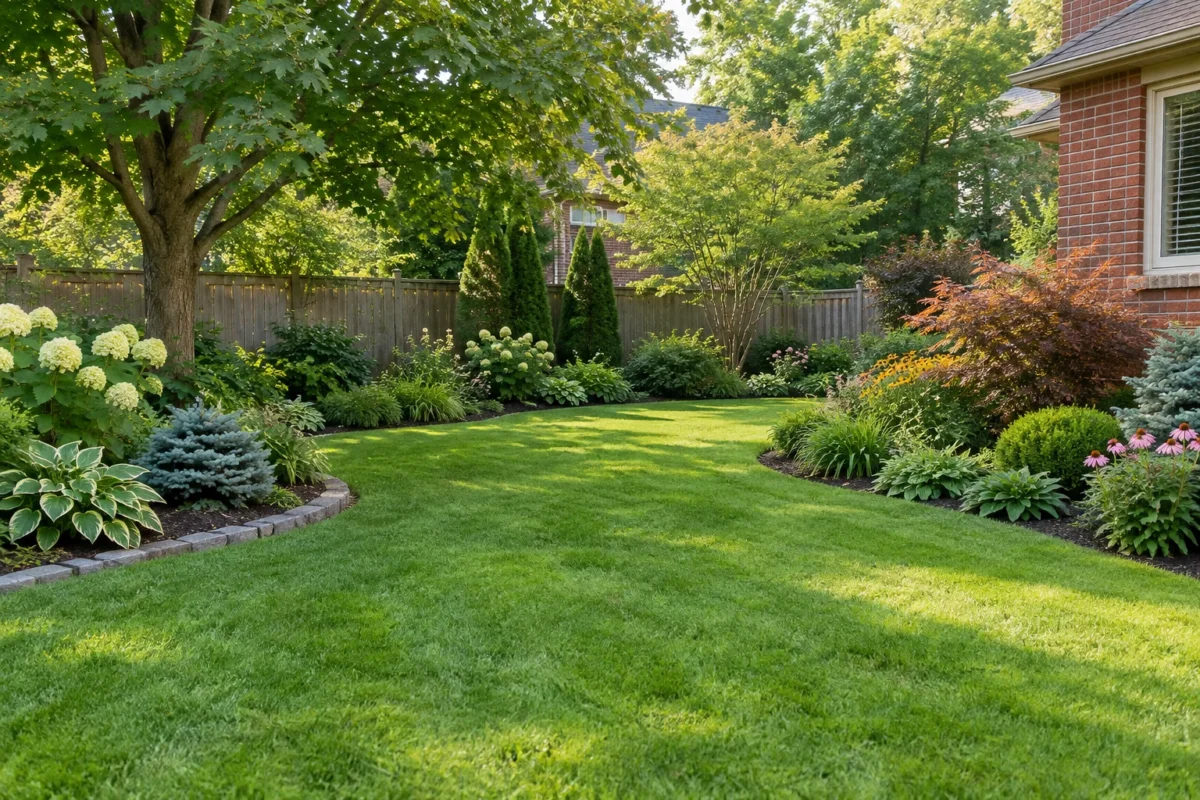
Choose the ground cover and planting that fit the space
A lawn and a garden do different jobs. An open grass area may support play or a simple view from the house; a planted bed can define an entrance, provide seasonal interest or frame a seating area. Mulch, stone and borders help organize those spaces, while shrubs and trees change their shape over time. This hub helps you compare the options as a coordinated landscape rather than selecting one finish for the entire yard.
Consider use, available light, the condition of the ground and the care you can provide. Also decide what you want to keep. A property can combine retained lawn with new beds, or renewed planting with improved borders. The services below explain individual scopes; the choices here help establish where each scope belongs.
Compare installation and planting choices
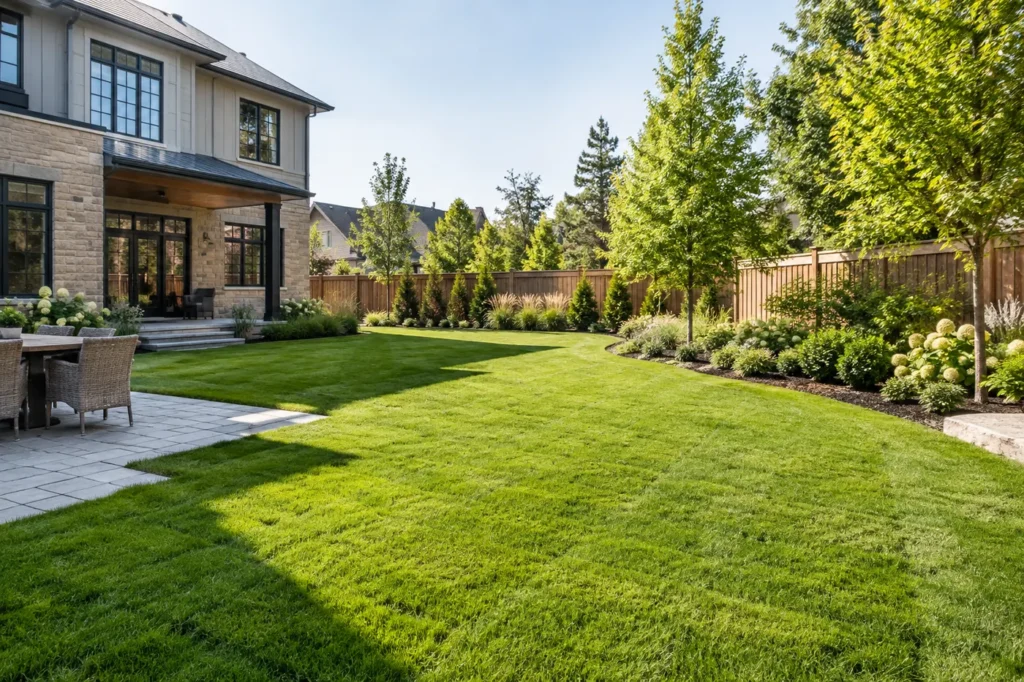
Sod installation
Choose this route when living lawn is the desired finished surface. Discuss the area to be renewed and the practical commitment to establishment watering and subsequent lawn care.
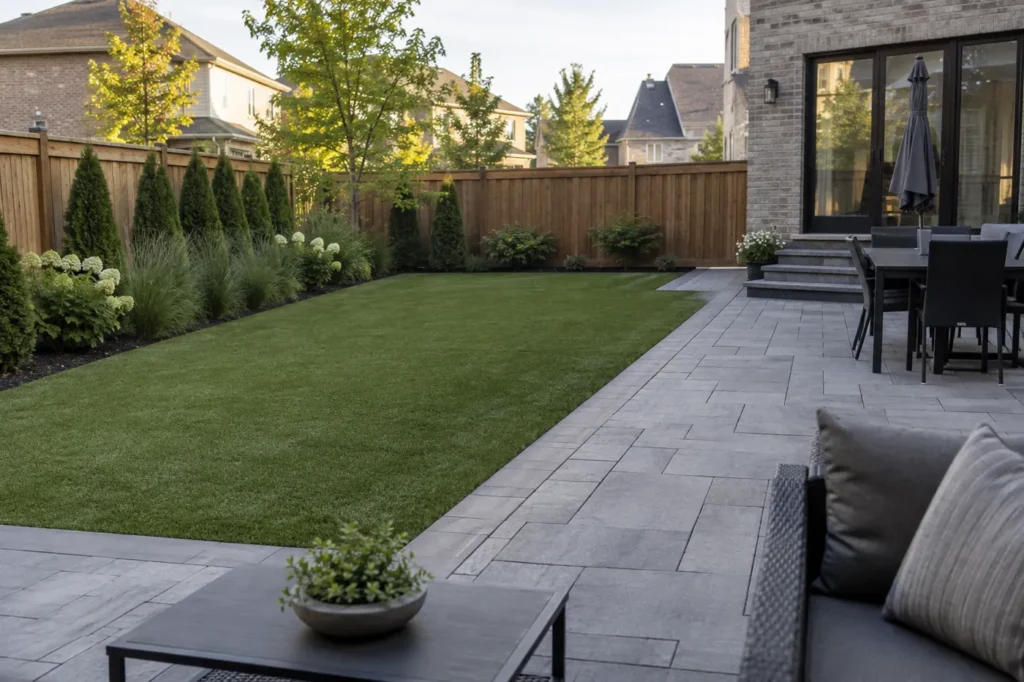
Artificial turf
Explore an alternative surface for a clearly defined use. Compare expected appearance, drainage, surface conditions and cleaning with living lawn rather than treating it as a complete escape from upkeep.
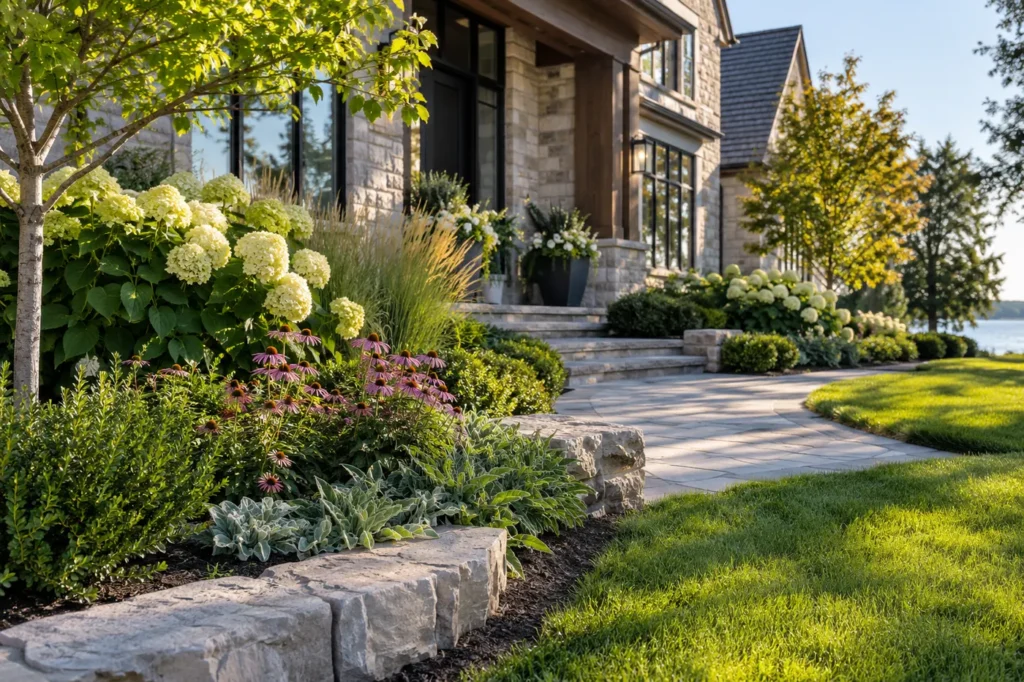
Planting and garden beds
Start here when the main change is a new or reworked bed. Consider its outline, the plants it must accommodate and how the bed connects to adjoining lawn or paving.
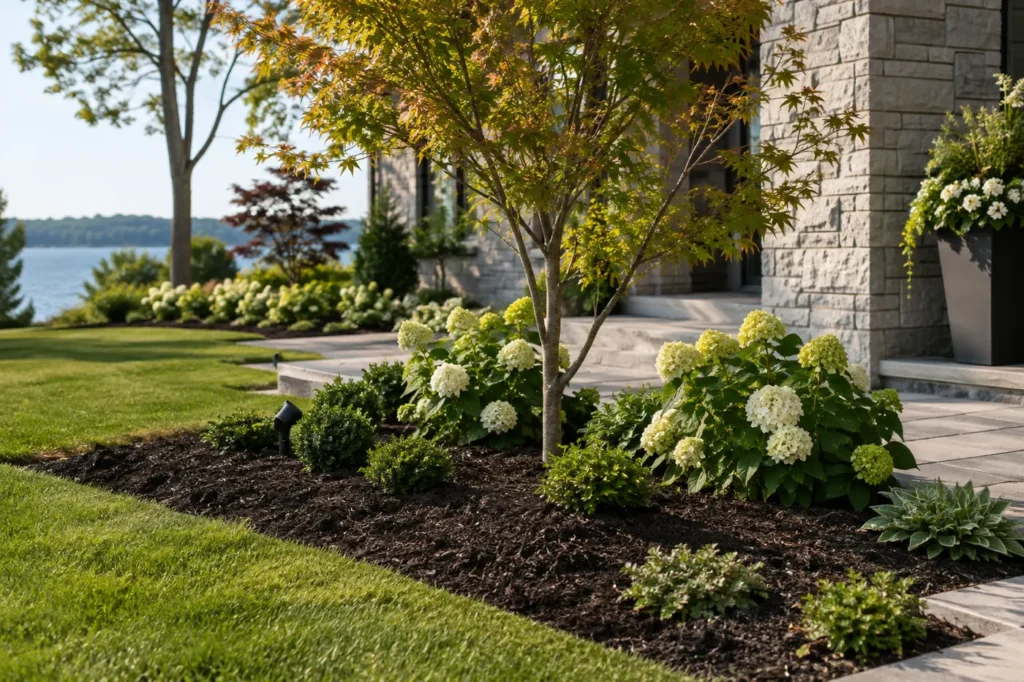
Mulch installation
Use this scope to refresh or complete a garden surface around planting. Distinguish the finish from any bed reshaping, weed removal or plant changes that should be discussed separately.
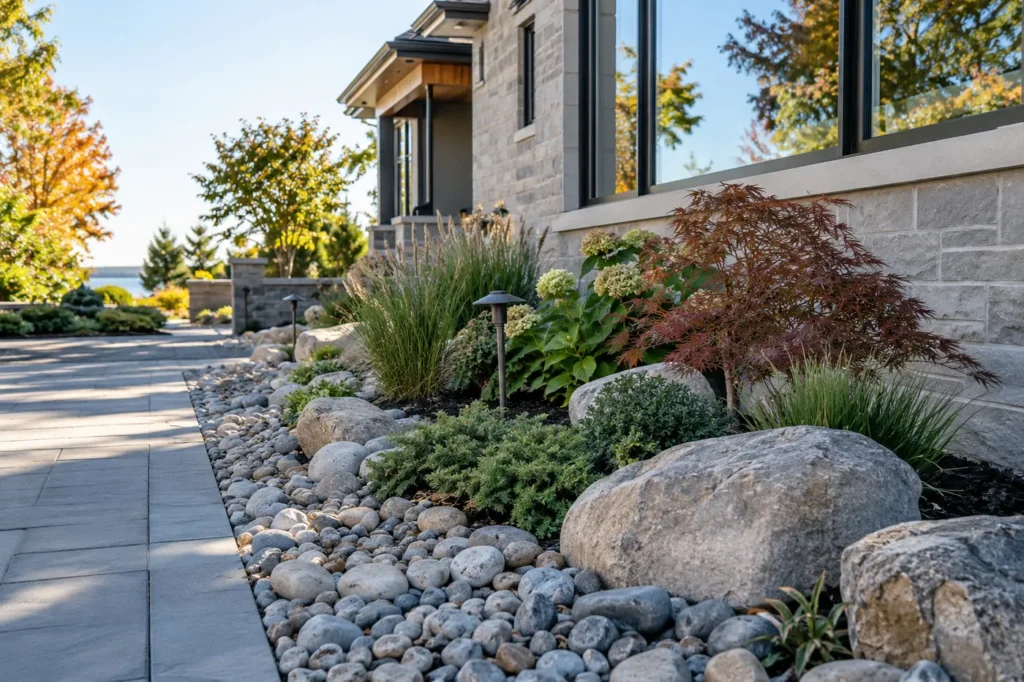
Decorative stone and gravel
Consider this option for a defined landscape area with a clear purpose. Compare its visual weight, surrounding planting and future cleaning needs before replacing an existing living surface.
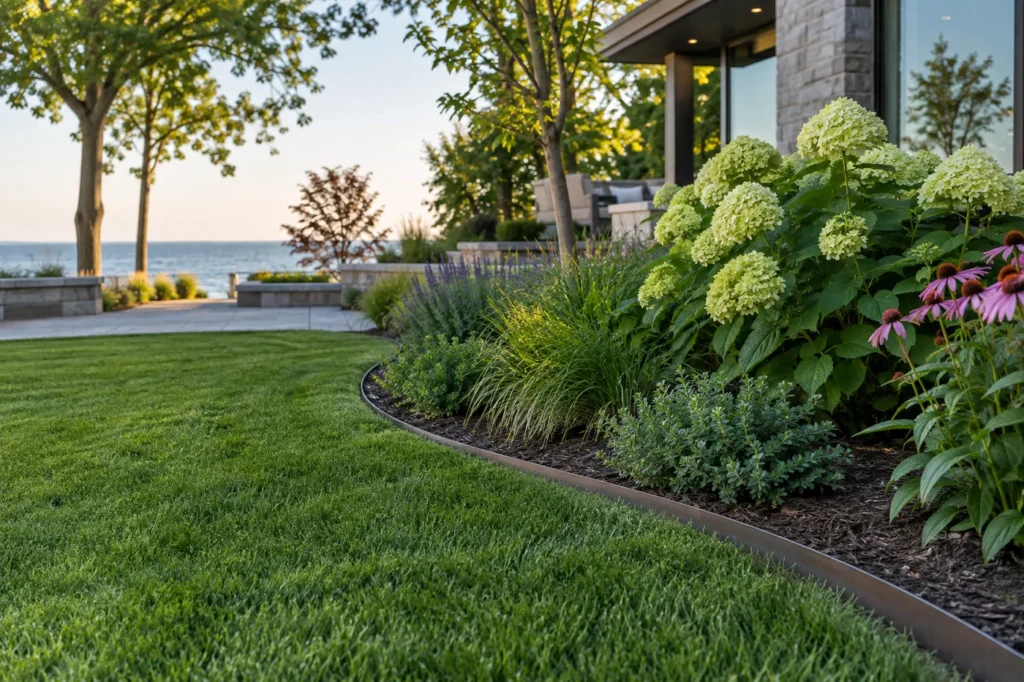
Landscape edging and borders
Choose borders when the separation between lawn, beds or another surface needs definition. Their shape and position should suit mowing, access and the intended garden outline.
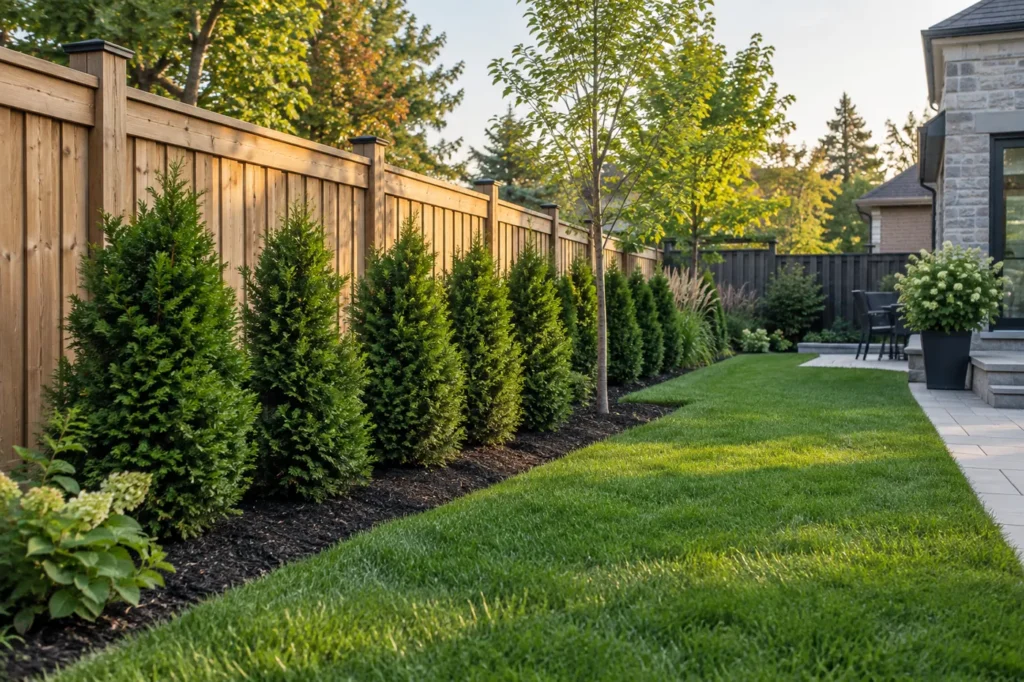
Shrub and hedge planting
Explore grouped planting for screening, enclosure or garden structure. Discuss mature width and the space available for care so the planting can grow without crowding paths or seating.
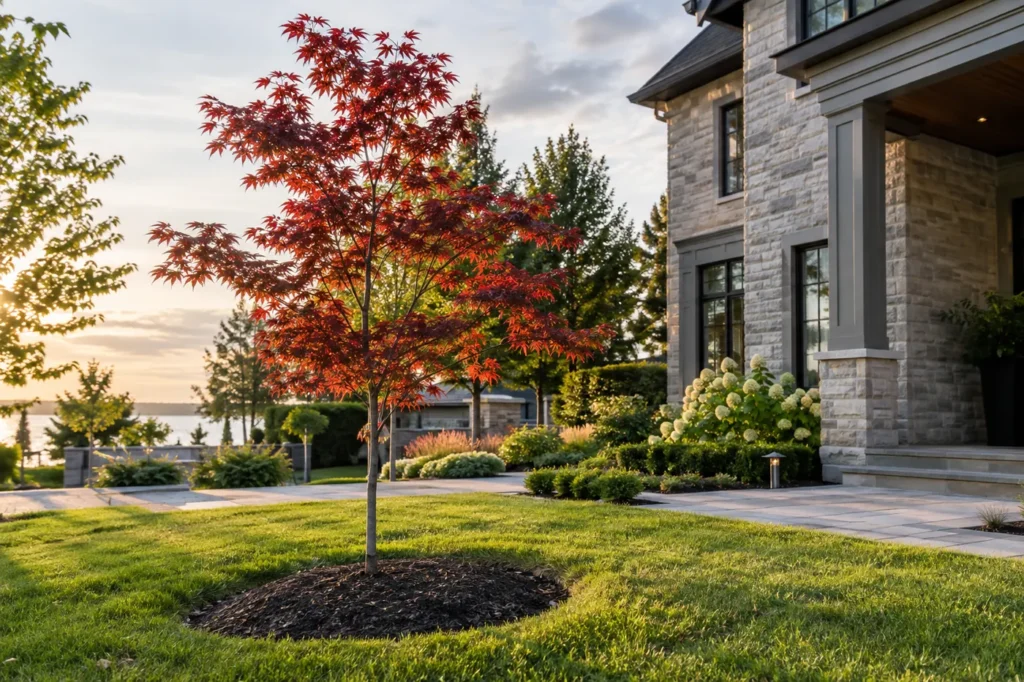
Small tree planting
Use this route for a longer-term canopy or focal point. Consider its future relationship to buildings, neighbouring planting and access, not only how a young tree fills the space today.
Map use and exposure before allocating the yard
Mark the places people walk, play, sit and need to reach. Separate those routes from areas that are mainly viewed. A corner beside the front door may benefit from a strong planting composition, while a central backyard area may need to remain open. The shape of the remaining lawn matters: small isolated patches and tight curves can create more recurring work than their size suggests.
Observe which parts of the yard receive sun or shade at different times. Describe the observations when discussing garden bed installation, sod or artificial turf. Include heavy-use areas and places that repeatedly stay wet. A choice made around actual conditions gives the service assessment more useful information than a general request for a greener-looking yard.
Compare living lawn with an alternative surface honestly
Living lawn brings its own establishment and care needs. Ask how the proposed sod area will be watered and reached after installation, and who will provide that attention. If an existing lawn is only thin in places, explain whether you want complete replacement or are open to a separate restoration assessment. The sod versus seed guide helps organize that comparison.
For artificial turf, name the use you expect it to support and ask about cleaning and the surrounding landscape. Its appearance and care differ from grass; nearby leaf drop, pets and repeated traffic still matter. Compare the complete area, including edges and neighbouring beds, rather than only the central material. Neither choice removes the need to understand the underlying site or preserve a sensible water route.
Give gardens room to develop
A planting plan needs to account for growth. A bed filled tightly on the first day can later interfere with a walkway or make individual plants difficult to reach. Discuss mature proportions and the view you want from the house as well as from outdoors. The garden design service complements installation when plant arrangement and seasonal composition need more attention.
For shrubs and hedges, identify whether the purpose is screening, an edge or a focal grouping. Explain how quickly you hope to gain privacy, while recognizing that planting size and future growth are different considerations. For small tree planting, look beyond the initial tree to the space available for its later canopy and the routes or features that must remain accessible.
Choose mulch, stone and borders as part of the same design
Mulch installation and decorative stone or gravel offer different visual and care expectations. Describe the reason for the change: refreshed beds, a reduced lawn footprint, clearer boundaries or a particular appearance. Ask what preparation is included and which existing plants or features remain. A new covering should be considered alongside the condition and purpose of the bed.
Landscape edging connects those choices to the surrounding lawn or paving. Long, gentle lines may suit a different maintenance routine from numerous small corners. Consider how mowing and trimming will reach the edge, where material might migrate and how an adjoining path stays clear. Choose the bed shape and separation before treating the edging as a final decorative detail.
Plan care at the same time as installation
Assign establishment tasks before new lawn or planting arrives. Identify access to water, the areas needing attention and the person who will provide it. If you travel frequently or cannot maintain every part of the property, explain that at the planning stage. The intended garden should suit available care rather than relying on an ideal schedule that will not happen.
Keep installation separate from recurring care in the request. A newly planted bed may later need garden maintenance, and shrubs may eventually need trimming. Those are related services with their own scope. The lawn and bed care hub helps organize the ongoing work. A simpler outline or a revised planting mix can also support the goals described on the lower-maintenance landscaping page.
Coordinate planting with other property work
If a patio, walkway or access improvement is planned, decide how its boundary will meet the lawn and garden. Installation order should reflect which work will disturb the ground and which areas provide construction access. There is little value in a carefully finished bed that becomes the only practical route for the next project. Show the full intended arrangement even when the present request covers planting alone.
Where water concerns exist, use the grading and water hub to organize the assessment first. Oakville says planting and landscape changes should keep drainage routes functioning. Its drainage guidance addresses swales and nearby properties. Tree-related work may also need review; see property planning and permits.
Request an estimate with clear boundaries
Send photographs that show the entire lawn or garden area and its relationship to the house, paths and retained planting. Mark the portions to keep, renew or convert. Describe your preferred use, the level of screening you want and the ongoing tasks you can manage. Approximate dimensions help begin the conversation, while detailed choices can follow assessment of the actual conditions.
Ask the proposal to distinguish removal, ground preparation, new surfaces or plants, borders and any surrounding restoration. Confirm which care instructions or follow-up work are included. If you want to compare two approaches, request the same area and objectives for each. You can request a lawn and garden estimate or return to all landscaping services for a project spanning several outdoor areas.
Questions about choosing the right scope
Should I replace every lawn area with one material?
Different areas can serve different purposes. Compare use, exposure and care needs before deciding which portions remain lawn, become beds or use an alternative surface.
Can garden borders be added without rebuilding the beds?
That may be possible when the existing bed shape and planting still work. Explain whether the goal is a clearer edge or a wider redesign so the scope reflects the actual change.
Does artificial turf need ongoing attention?
Yes. Discuss cleaning, nearby debris and the intended use. Its care routine differs from lawn care, but the surrounding site and access still need attention.
When should I discuss maintenance?
Before installation. Establishment watering and longer-term care influence the choice of lawn, planting and bed shape, so they belong in the original brief.