
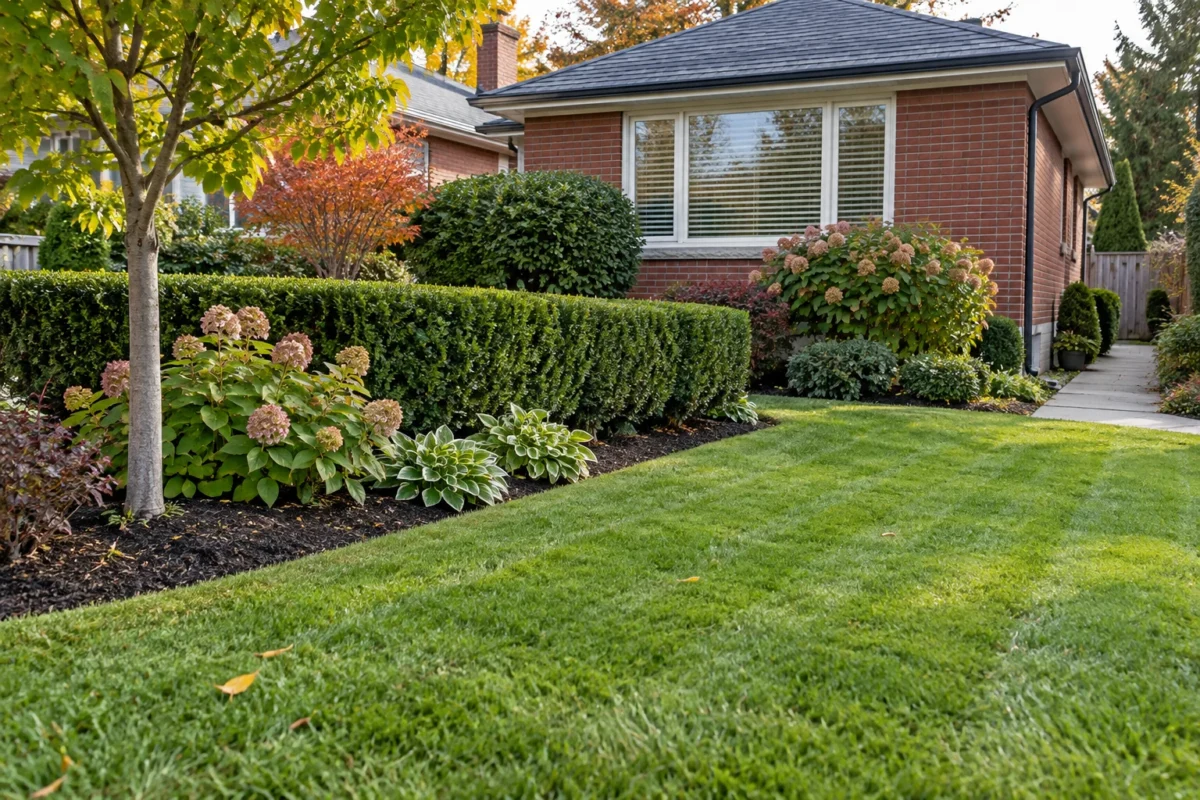
Give each part of the garden the care it actually needs
A tidy lawn can sit beside an overgrown bed, while a carefully tended garden can be surrounded by thin turf. Treating the whole property as one task makes it difficult to explain those differences. This hub helps you compare routine lawn care, turf improvement, garden attention and hedge work, then combine the relevant services into a maintenance scope that reflects the condition of your yard.
Start by dividing the property into practical zones: open lawn, shaded lawn, planted beds, hedge lines and the edges beside paths or drives. Record what is satisfactory and what is changing. A recurring plan may keep a healthy area consistent, while a separate improvement visit may be needed elsewhere. Naming the condition and desired result gives the detailed service pages a useful role rather than asking every service to solve every problem.
Explore lawn and garden care services
Choose the pages that address the work you see on the property. These tasks can overlap, but each has its own purpose and should be identified in the proposed scope.
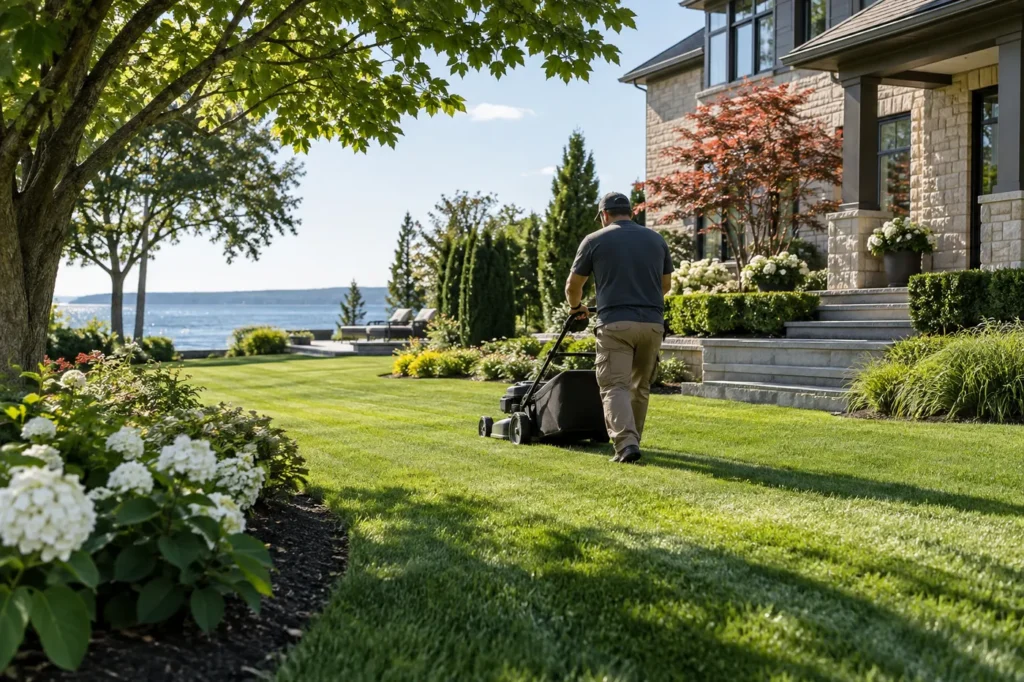
Lawn mowing
Keep established turf presentable through recurring cuts, with attention to usable lawn areas and their edges. Mowing is routine care; it does not by itself explain or repair every cause of sparse grass.
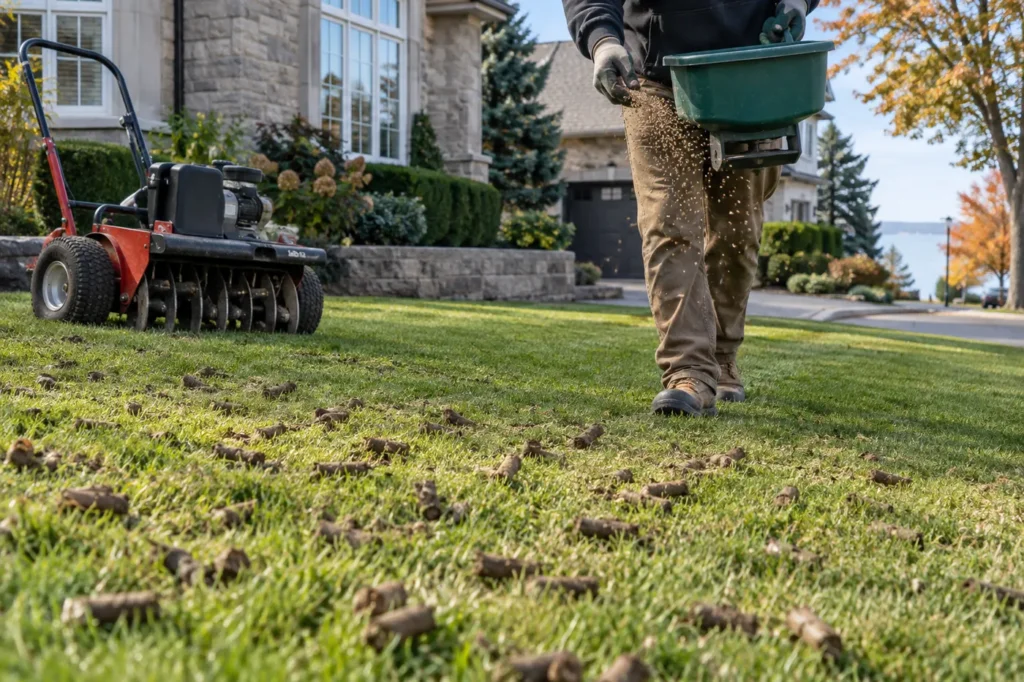
Lawn aeration and overseeding
Consider a targeted improvement to established turf when compaction or thin coverage forms part of the assessment. Review the existing conditions and establishment needs before adding this work to a recurring schedule.
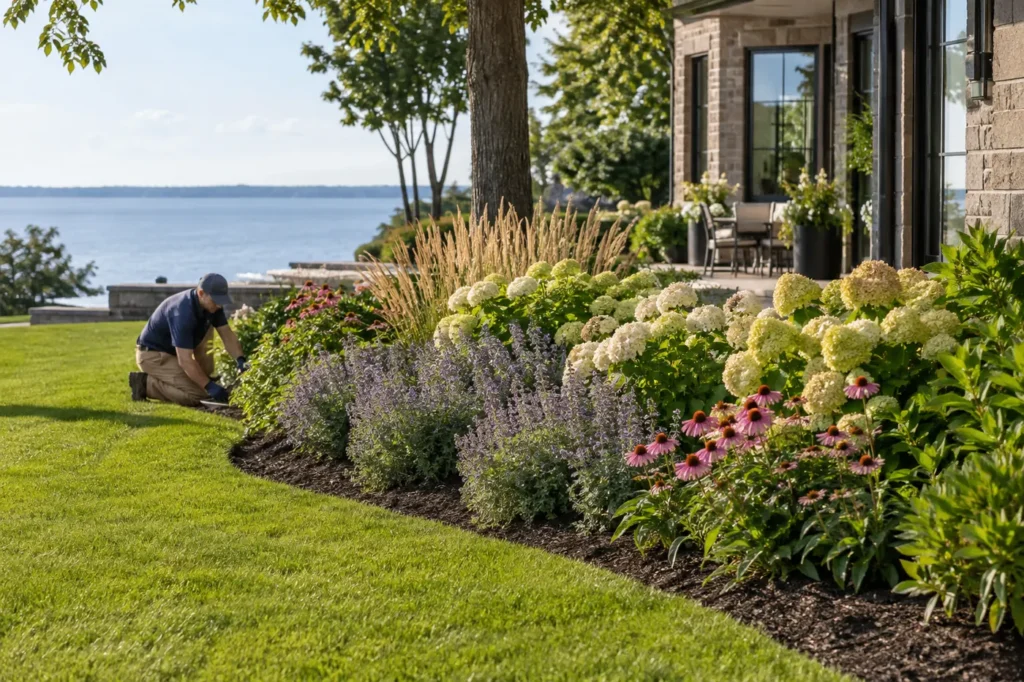
Garden maintenance
Plan selective attention to established planting as the garden changes through the season. This broader service helps coordinate the appearance and condition of beds, beyond simply removing visible weeds.
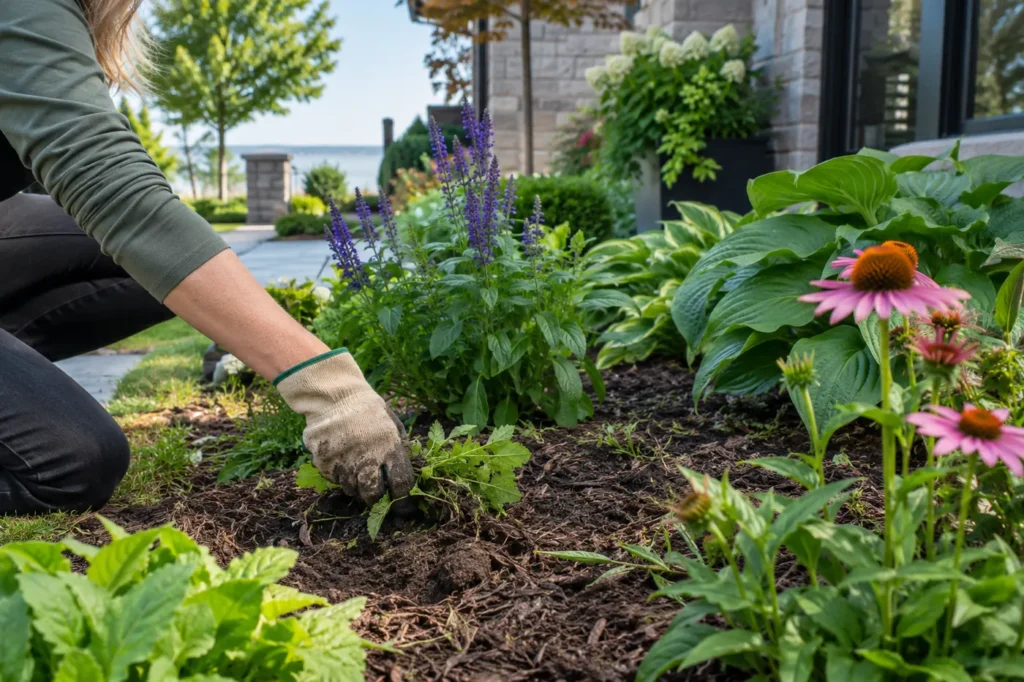
Weed control and bed maintenance
Address unwanted growth and loss of definition within planted beds. Identify the intended plants and recurring problem areas so weed management is scoped around the garden you want to keep.
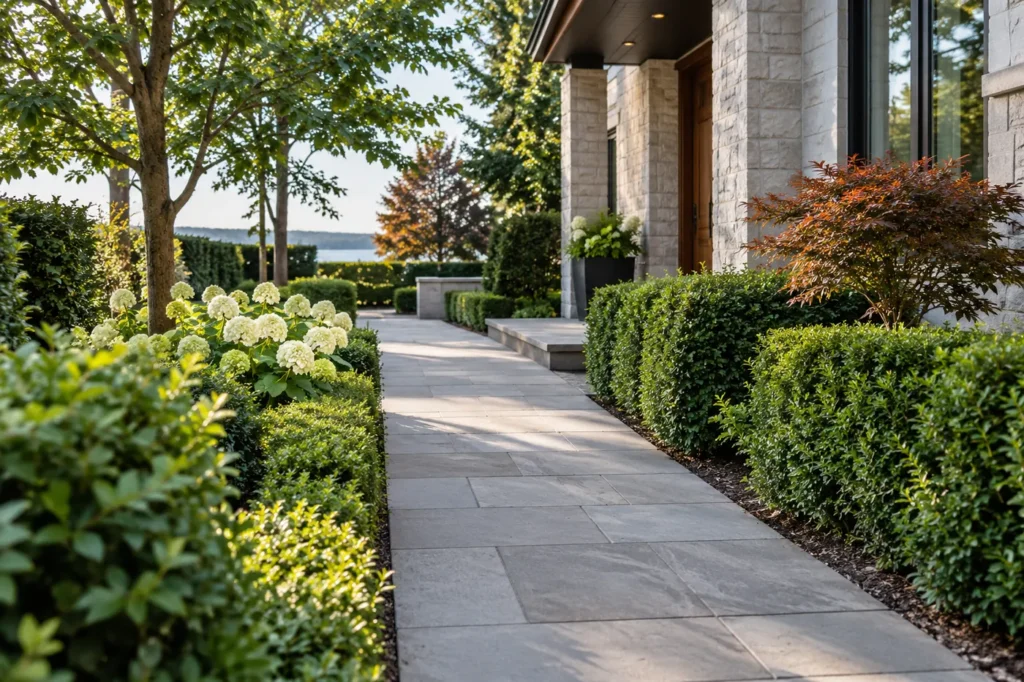
Shrub and hedge trimming
Manage the shape and space occupied by established shrubs and hedges. Consider access, adjacent paths and the desired long-term form rather than requesting the same trim for every plant.
Separate routine care from a corrective project
Routine work maintains a condition that is already broadly suitable. Corrective work responds to a problem that ordinary visits are unlikely to resolve. A lawn that grows evenly may chiefly need a recurring mowing plan. A persistently wet or poorly lit patch needs its cause considered before turf improvement is chosen. Similarly, a bed with healthy plants and occasional unwanted growth differs from an overgrown area where the intended layout can no longer be identified.
Ask for those two kinds of work to be described separately. That makes it easier to understand the purpose of an initial improvement and what later visits will cover. It also prevents a maintenance plan from quietly depending on repairs that are absent from the estimate. Where the problem relates to standing water rather than ordinary garden care, the yard drainage service provides a more suitable route for investigating that scope.
| Observed need | Service to explore | Question to clarify |
|---|---|---|
| Healthy turf becoming untidy | Lawn mowing | Which lawn zones and edge tasks belong in each visit? |
| Thin established lawn | Aeration and overseeding | What conditions are limiting coverage and establishment? |
| Mixed planting needing seasonal attention | Garden maintenance | Which plants and tasks need selective care? |
| Unwanted growth obscuring beds | Weed control and bed maintenance | What should be retained and what is being removed? |
| Hedges crowding paths or losing form | Shrub and hedge trimming | What shape and access should the work maintain? |
Make lawn expectations specific
Walk the lawn and note uneven ground, shade, narrow corners and heavily used areas. These conditions affect how it looks and how routine visits can be carried out. Explain which areas receive the most attention from the street or house and which are mainly functional. A clear scope can describe the mowing area and finishing expectations without pretending every section of the lawn has identical growing conditions.
When considering aeration and overseeding, describe the history of the thin area rather than focusing only on its current photograph. Does the problem recur in the same location? Has use changed? Is watering practical during establishment? The detailed service review should address those questions. A recurring mowing visit and a turf improvement project should have compatible expectations, including how newly treated areas will be handled while they establish.
Decide what the garden should keep
Before requesting a general cleanup of a bed, identify valued plants and features. Labels, photographs and a short list of plants to retain can make an uncertain area easier to discuss. Some gardens are meant to appear informal; others rely on crisp edges and restrained growth. The maintenance scope should reflect that intention instead of treating every sprawling plant as a problem.
Compare garden maintenance with weed-focused work by the result you need. A garden may need selective seasonal attention even when weeds are limited. Another may have a simple planting scheme but substantial recurring unwanted growth. Talk about leaf litter, tired edges, debris and plant access as separate observations. This makes it easier to distinguish a one-time recovery visit from ongoing bed care and to establish what a satisfactory visit should leave behind.
Coordinate hedge care with access and future growth
Hedges influence more than their own appearance. They can narrow a path, screen an entrance, crowd a gate or make another planting area difficult to reach. Note the spaces beside and beneath them when describing the work. A plan should consider the desired outline and the practical room the surrounding landscape needs, especially where several owners or users depend on the same route.
Photograph the whole hedge line and any individual sections that concern you. Explain whether you want to maintain its current size, restore a lost shape or discuss longer-term change. Significant reduction should be reviewed for the particular plants rather than treated as a routine trim. Keep replacement planting or a redesigned privacy boundary separate from ordinary maintenance so the estimate describes an achievable care task with an understandable purpose.
Build a coordinated seasonal scope
Several tasks may occur during the same visit, but their needs do not all follow the same calendar. The mowing area changes with growth and use; beds reveal different work as plants develop; hedge attention depends on the particular planting and desired result. Discuss a seasonal approach that allows those differences instead of assuming every visit must repeat an identical list.
Include the handover between growing-season care and spring cleanup or fall cleanup. Leaf accumulation, debris and concealed edges can affect what later maintenance needs to address. Clarify whether cleanup is a separate visit, an included task or an additional scope. Keep that distinction visible so a tidy lawn does not mask an unaddressed bed or access area.
Prepare an estimate that can be reviewed
Provide a property sketch or marked photographs showing the lawn, beds and hedge lines to include. Note gates, locked access, pets, storage areas and any spots that should remain undisturbed. Give a short account of current care and what is no longer working. If one area needs recovery before recurring visits begin, identify it as a separate priority.
Ask the proposed scope to describe the tasks, areas and handling of resulting clippings or debris. Identify how changes or additional work will be discussed. You should be able to understand what an ordinary visit covers, what is seasonal and what requires a separate decision. That clarity is more useful than a broad promise to keep the entire property perfect regardless of weather, plant condition or unplanned damage.
Return to the broader property maintenance hub when the request extends beyond lawns and beds into larger-property coordination or other seasonal work. This page is the starting point for choosing the right garden-care combination; the linked service pages develop the individual tasks. A practical maintenance brief connects them through your priorities and gives future visits a consistent purpose.
Lawn and garden care planning questions
Does mowing include all garden care?
Not automatically. Lawn cutting, garden attention, weed management and hedge trimming are separate tasks. Identify the areas and work to include in the estimate so the scope is clear before recurring visits begin.
Should we overseed every thin patch?
Review why the patch is thin first. Shade, use, soil conditions and water management can influence the result. The aeration and overseeding page helps frame an improvement discussion once the existing conditions are considered.
How do we protect plants we want to keep?
Mark them on photographs and discuss uncertain areas before cleanup begins. Describe the intended garden style as well as particular plants. That gives bed maintenance a defined result instead of relying on a general request to tidy everything.
Can we begin with one recovery visit?
A separate initial scope can be discussed when the lawn or beds need more than routine care. Identify the recovery tasks and then describe the recurring plan that would maintain the improved condition.