The short answer
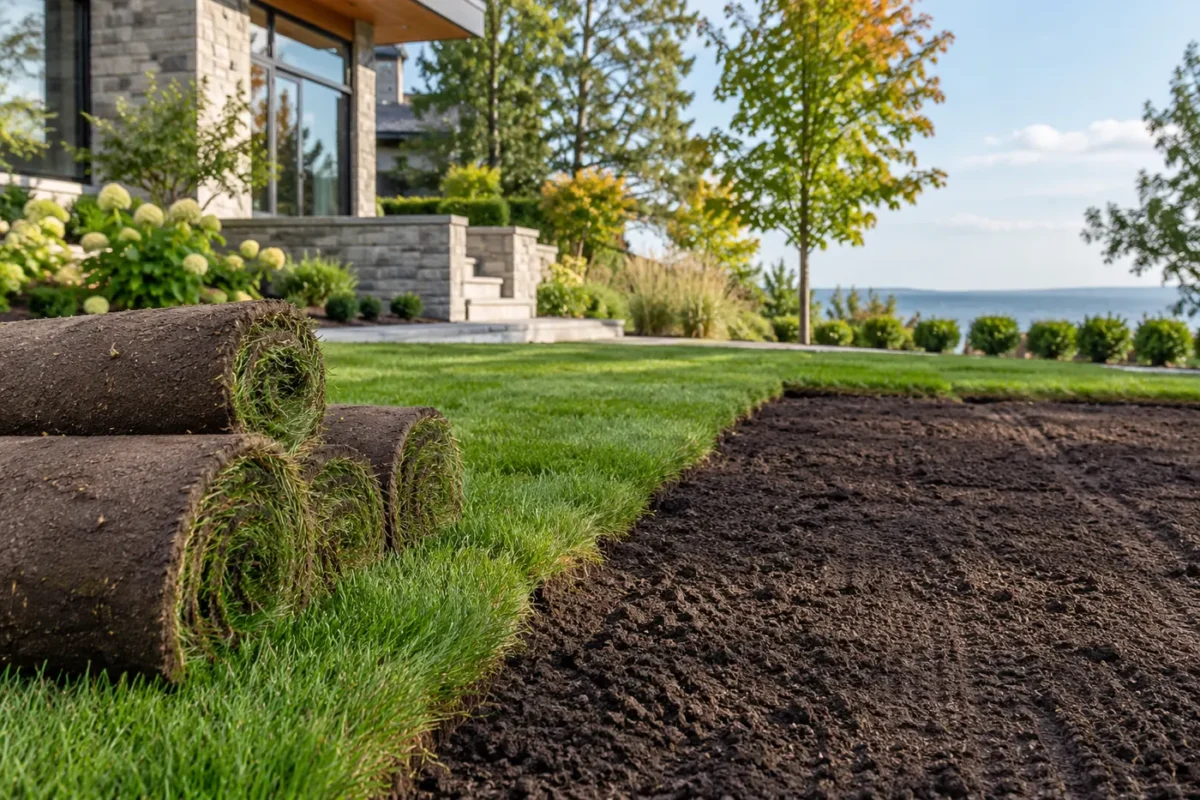
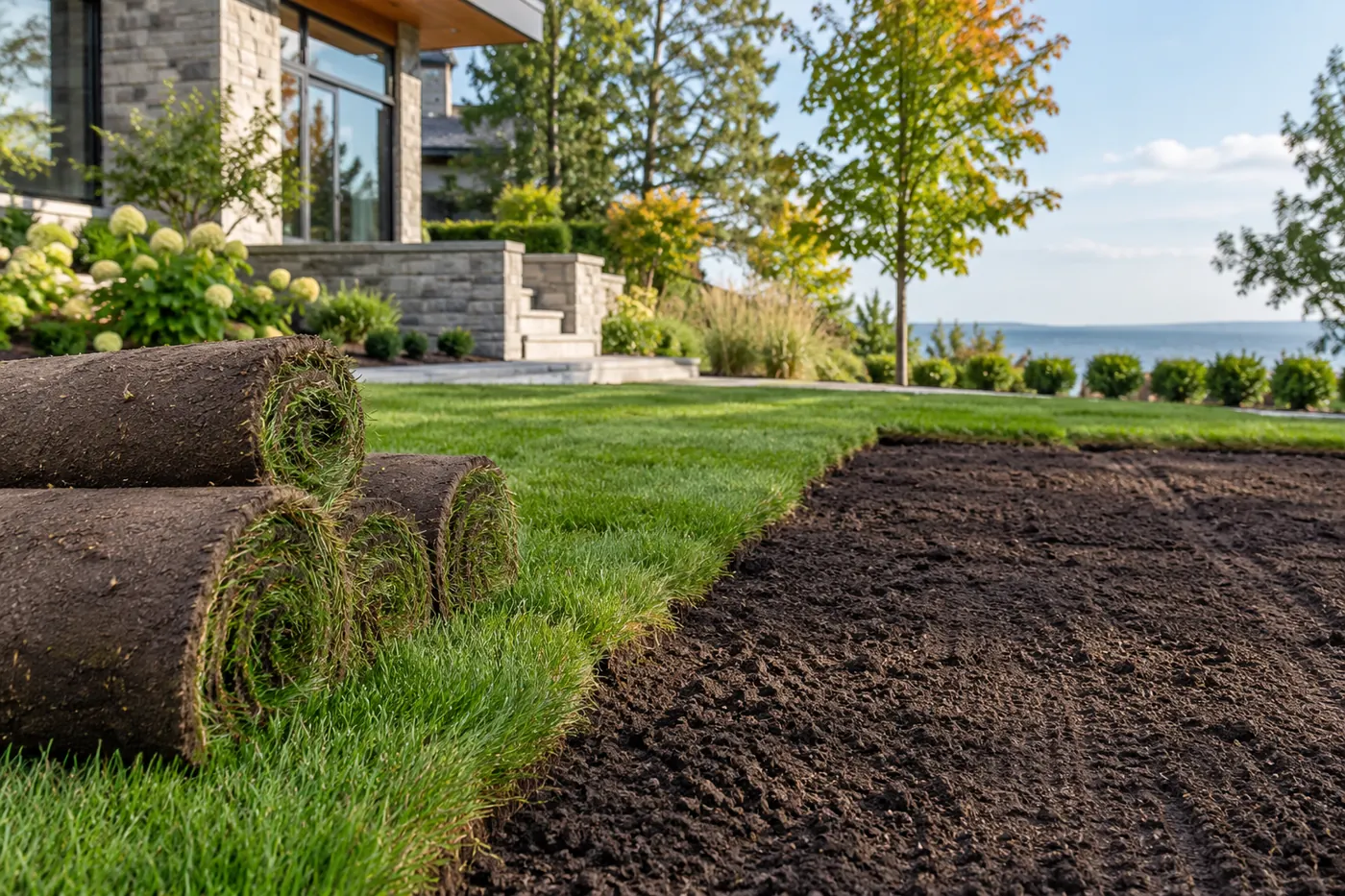
Sod installation provides immediate cover; seed offers a different installation path. Both depend on suitable ground and ongoing care. Begin with a walk around the actual property. Look at existing grades, routes from doors, where water goes and how the area will be used across the year. These observations matter more than a single photo or an average price. A clear decision describes both the desired result and the work needed beneath or around it.
For an Oakville property, compare the options against soil preparation, sun and shade, watering. Review the Town’s current information when the work affects grading, protected trees, structures or boundaries. This article is a practical planning guide; the final scope depends on the site and applicable approvals.
Begin with the way the property is used
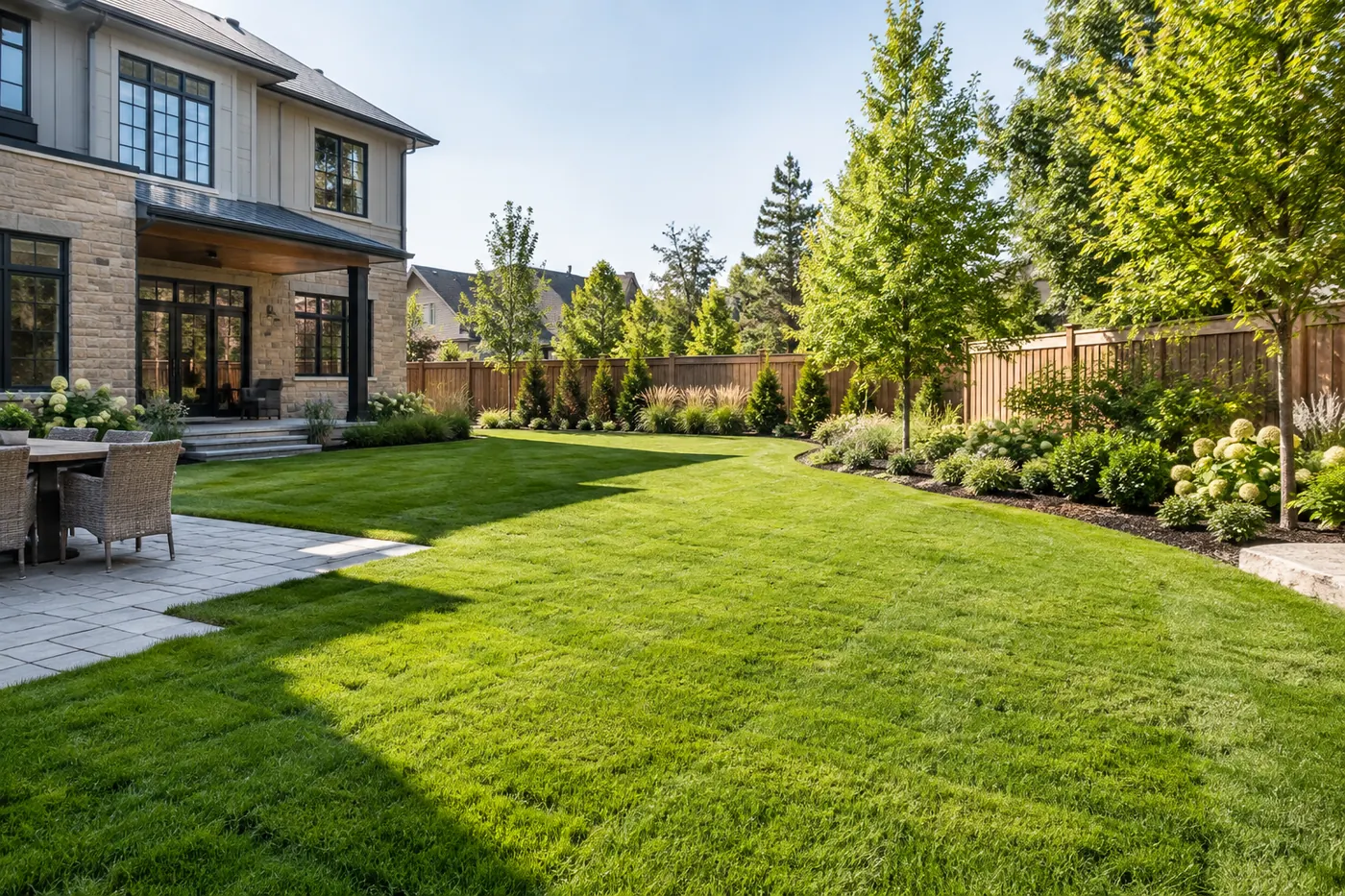
Soil preparation is easier to judge when you describe what happens there on an ordinary day. Follow people, vehicles or water through the area and mark any change in level or direction. Note the dimensions and nearby features that must remain. A solution should make the space more useful without hiding a drainage path, blocking maintenance access or creating an awkward edge at the next surface.
The relationship to sun and shade and watering may change the preferred approach. Ask how each option handles these conditions, what preparation is included and what would happen if the existing ground or material is worse than it appears. A written scope should state what is removed, what is protected, how the edges meet and what care the finished area needs. This gives a fairer comparison than judging the finish alone.
Measure transitions and access
Sun and shade is easier to judge when you describe what happens there on an ordinary day. Follow people, vehicles or water through the area and mark any change in level or direction. Note the dimensions and nearby features that must remain. A solution should make the space more useful without hiding a drainage path, blocking maintenance access or creating an awkward edge at the next surface.
The relationship to watering and time before use may change the preferred approach. Ask how each option handles these conditions, what preparation is included and what would happen if the existing ground or material is worse than it appears. A written scope should state what is removed, what is protected, how the edges meet and what care the finished area needs. This gives a fairer comparison than judging the finish alone.
Address the ground before the finish
Watering is easier to judge when you describe what happens there on an ordinary day. Follow people, vehicles or water through the area and mark any change in level or direction. Note the dimensions and nearby features that must remain. A solution should make the space more useful without hiding a drainage path, blocking maintenance access or creating an awkward edge at the next surface.
The relationship to time before use and seasonal weather may change the preferred approach. Ask how each option handles these conditions, what preparation is included and what would happen if the existing ground or material is worse than it appears. A written scope should state what is removed, what is protected, how the edges meet and what care the finished area needs. This gives a fairer comparison than judging the finish alone.
Examine materials and installation
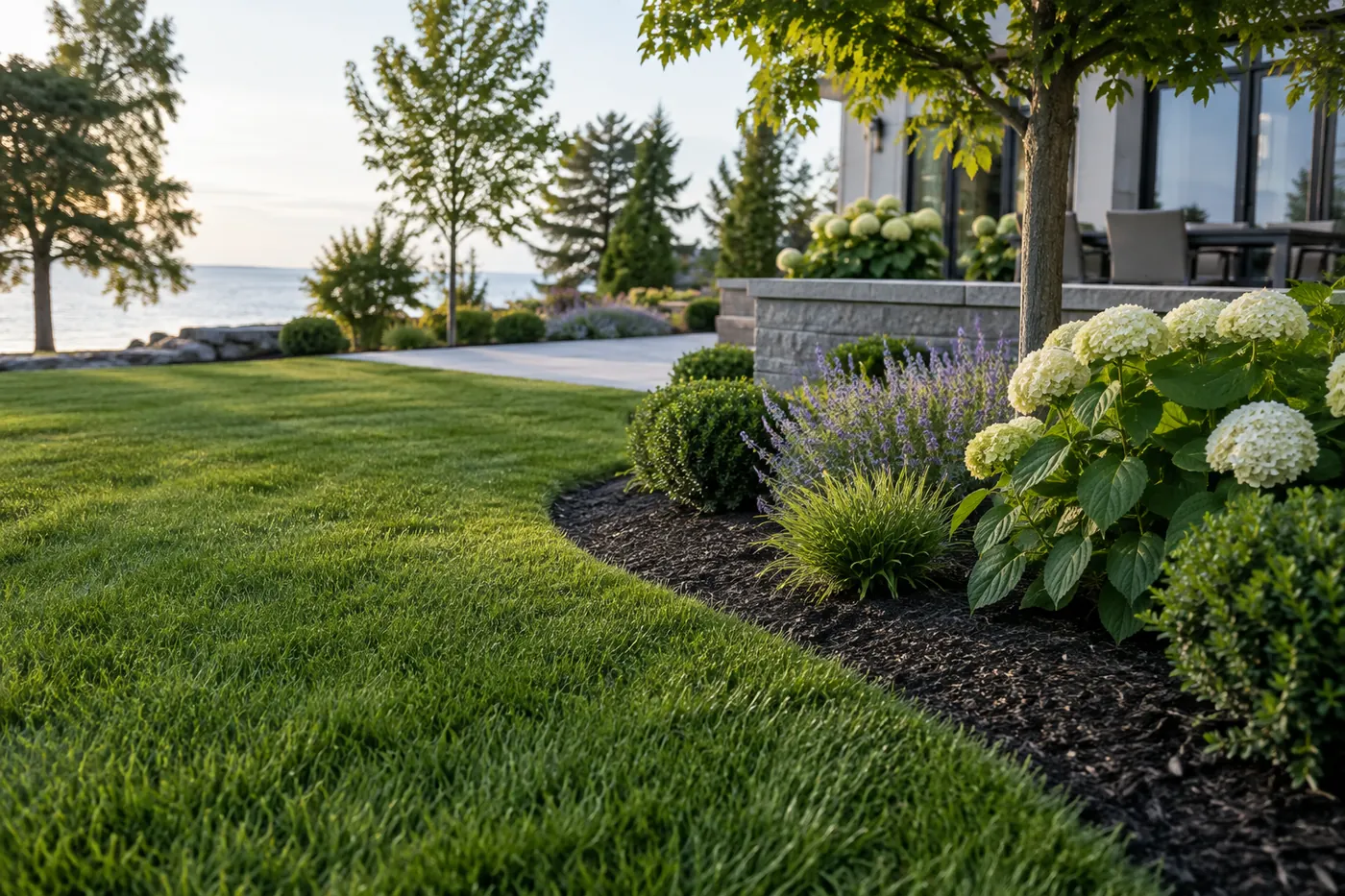
Time before use is easier to judge when you describe what happens there on an ordinary day. Follow people, vehicles or water through the area and mark any change in level or direction. Note the dimensions and nearby features that must remain. A solution should make the space more useful without hiding a drainage path, blocking maintenance access or creating an awkward edge at the next surface.
The relationship to seasonal weather and traffic during establishment may change the preferred approach. Ask how each option handles these conditions, what preparation is included and what would happen if the existing ground or material is worse than it appears. A written scope should state what is removed, what is protected, how the edges meet and what care the finished area needs. This gives a fairer comparison than judging the finish alone.
Plan for weather and seasons
Seasonal weather is easier to judge when you describe what happens there on an ordinary day. Follow people, vehicles or water through the area and mark any change in level or direction. Note the dimensions and nearby features that must remain. A solution should make the space more useful without hiding a drainage path, blocking maintenance access or creating an awkward edge at the next surface.
The relationship to traffic during establishment and soil preparation may change the preferred approach. Ask how each option handles these conditions, what preparation is included and what would happen if the existing ground or material is worse than it appears. A written scope should state what is removed, what is protected, how the edges meet and what care the finished area needs. This gives a fairer comparison than judging the finish alone.
Allow for ongoing care
Traffic during establishment is easier to judge when you describe what happens there on an ordinary day. Follow people, vehicles or water through the area and mark any change in level or direction. Note the dimensions and nearby features that must remain. A solution should make the space more useful without hiding a drainage path, blocking maintenance access or creating an awkward edge at the next surface.
The relationship to soil preparation and sun and shade may change the preferred approach. Ask how each option handles these conditions, what preparation is included and what would happen if the existing ground or material is worse than it appears. A written scope should state what is removed, what is protected, how the edges meet and what care the finished area needs. This gives a fairer comparison than judging the finish alone.
What changes the budget?
Area, material, site access and preparation all matter. Existing surfaces may need removal; soil and base conditions can alter the required work; transitions to walls, steps, lawn or the house take careful finishing. If the site is narrow, materials and equipment may have to pass through a limited route. For commercial winter work, site layout and the areas included in a seasonal visit define a different kind of cost.
Ask for a proposal that separates core work from optional details and identifies assumptions. A comparison is only meaningful when both options include similar preparation and restoration. Read Sod Installation in Oakville and Sod Vs Seed for service-specific questions. A property address, photos and approximate measurements make an initial conversation more useful, but do not replace a site check for hidden conditions.
Oakville checks before committing
The Town says landscaping changes must not impair existing drainage or direct water onto neighbouring property. Swales, downspouts and rear catchbasins may be part of the lot’s intended surface-water system. Its property drainage guidance is worth reviewing when a surface level changes. The Town also notes that some excavation, grading, decks or pergolas may need permits.
Check the current rule for the actual property, especially near a boundary, municipal land, easement or tree. Ask who will arrange utility locates if excavation is planned. A property survey helps identify legal boundaries; a photograph or existing fence does not establish them. Give these questions enough time before ordering materials or arranging a fixed construction date.
A comparison checklist
Write down the main objective and test each option against it. Consider soil preparation, sun and shade, watering, time before use, seasonal weather, traffic during establishment. Then compare the removal, preparation, installation, finishing and aftercare included. If an option solves the appearance but leaves the original use or water problem, it may be the wrong scope.
Finally, walk the future route again: from the street to the door, or from the house to the backyard. Imagine rain and snow as well as a calm summer afternoon. The better choice is the one that fits this property and the household’s intended use. Read Lawn Grading & Yard Leveling in Oakville for the next planning step or send the property details to discuss the work.
Questions homeowners ask
Is there a universal best option?
No. The levels, soil, drainage, access, materials and desired use differ among properties.
Can the project be done in stages?
Often, if the first stage preserves access and finished grades for later work. Plan excavation and drainage first.
Will I need a permit?
It depends on the exact work and property. Confirm current requirements with the Town before construction.
What information helps with an estimate?
Send the address, wide photographs, approximate dimensions, a description of the existing issue and your desired timing.
Before making the call
The next step for sod vs seed for a new lawn: which is better for residential properties? is to compare written scopes on the same facts: existing condition, work area, preparation, finish, access, care and anything outside the proposal. Ask how the service relates to neighbouring surfaces and drainage. If the planned work changes level, crosses a boundary or introduces a structure, confirm relevant approvals before scheduling.
Send the property address and photographs that show the whole area. Explain what you want to solve, what must stay and what timing matters. The most useful decision fits the lot and its daily use, not merely a preferred photograph.